
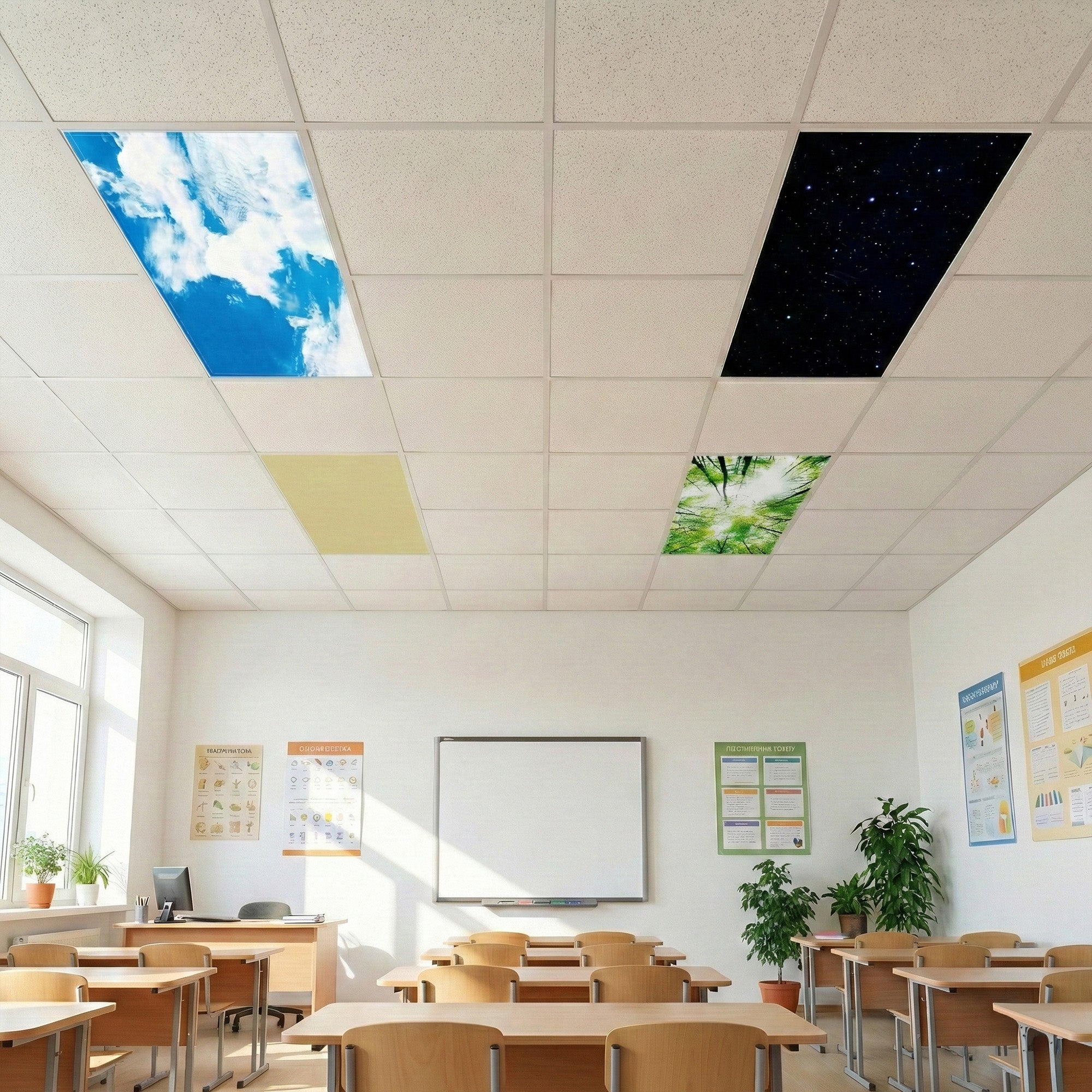
You see them in schools. You see them in offices. Those harsh fluorescent lights buzz overhead all day. They can cause headaches. They can hurt your eyes. So, do fluorescent light covers really work to fix these problems? For more information, see the U.S. Department of Energy.
The short answer is yes. Fluorescent light covers do work. They reduce glare. They filter harmful light. And they make any room more comfortable.
Let's break down exactly how they work. We'll cover the benefits. We'll answer common questions. And we'll help you decide if they're right for your space.
What Are Fluorescent Light Covers?
Fluorescent light covers are panels that fit over your light fixture. They sit between the fluorescent tubes and your eyes. Most are made from plastic or acrylic materials.
These covers act like a filter. They change the light emitted from harsh to soft. Some covers come in colors. Others look like clouds, nature scenes, or stained glass.
You can find fluorescent light covers in many styles. Some are rigid panels. Others are flexible wraps. All of them serve one main purpose: to make fluorescent lights easier on your eyes.
The plastic cover snaps into the fixture frame. It replaces the standard diffuser that came with your light. Installation takes just minutes. No tools needed in most cases.
How Do Fluorescent Light Covers Work?
Fluorescent bulbs create light in a specific way. Electricity passes through mercury inside the glass tubes. This process makes the tubes emit UV light. A coating on the glass converts that UV light into visible light. For more information, see the EPA mercury in fluorescent bulbs guide.
The problem? Fluorescent lights emit a lot of blue light. They also give off some ultraviolet light. This harsh light hits your eyes from varying angles. It can cause strain and discomfort.
Fluorescent light covers work by filtering this light. The materials absorb or block certain wavelengths. They reduce blue light exposure. They also cut down on UV light.
Think of it like sunglasses for your ceiling. Just as lenses protect your eyes from bright sunlight, covers protect you from harsh fluorescent lights. They create a barrier that softens the light before it reaches you.
Benefits of Using Fluorescent Light Covers
They Reduce Glare
Glare is a big problem with fluorescent lights. The bare tubes are very bright. They create harsh shadows. Looking at them directly can hurt.
Fluorescent light covers diffuse the light. They spread it out more evenly. This reduces glare significantly. Your eyes don't have to work as hard.
Many people notice less eye strain right away. They stop squinting. They stop blinking excessively. The room just feels more comfortable.
They Filter UV Light and Blue Light
Fluorescent bulbs emit UV light and blue light. Both can affect your health. Blue light exposure can disrupt sleep. UV light can harm your skin and eyes over time.
Quality fluorescent light covers filter these harmful rays. They block fluorescent lights from bombarding you with UV light. They reduce blue light that reaches your eyes.
This filtering creates a similar effect to wearing protective lenses. But you don't have to wear anything. The cover does the work for you.
They Create Visual Comfort
Harsh light is tiring. It makes people feel stressed. It can trigger migraine attacks in sensitive people.
Fluorescent light covers transform cold light into warm light. They can change cool white tubes to a warm white glow. This shift creates visual comfort.
The room feels calmer. People can focus better. The adverse effects of harsh lighting go away.
Do Fluorescent Light Covers Help with Light Sensitivity?
Yes, they absolutely help. Many people have light sensitivity. Fluorescent lights are a common trigger. The flicker and harsh glare cause real problems.
Light sensitivity can cause headaches. It can trigger migraine attacks. Some people feel dizzy or nauseated. Others experience eye strain after just minutes of exposure.
Fluorescent light covers reduce these issues. They soften the light. They filter out the most irritating wavelengths. People with light sensitivity often feel immediate relief.
Some people wear sunglasses indoors to cope. This works, but it's not ideal. You might look odd in meetings. And your eyes can dark adapt too much. This makes the problem worse over time.
Light sensitivity glasses are another option. Special lenses filter blue light and glare. But you have to wear them all the time. Covers solve the problem at the source instead.
How to Block Fluorescent Lights at Work
Your work environment matters. Spending eight hours under harsh lights takes a toll. Here's how to block fluorescent lights at your job.
Option 1: Install Fluorescent Light Covers
This is the best long-term fix. Ask your employer about adding covers to your fixture. Many offices will approve this. It helps all workers, not just you.
Option 2: Use Task Lighting
Add a desk lamp with warm white bulbs. Use it as your main light source. Turn off the overhead fluorescent lights if possible.
Task lighting puts you in control. You choose the brightness. You choose the color temperature. Floor lamps work well too.
Option 3: Adjust Your Position
Sit where the glare is less intense. Angle your desk away from direct light. Use your computer monitor at varying angles to reduce reflections.
Option 4: Wear Protective Eyewear
Light sensitivity glasses can help. Look for lenses that filter blue light. Some people wear hats to block overhead light. Just mention hat hair might be an issue if you go that route. Yes, hat hair is a small price for comfort.
Option 5: Request Changes
Talk to your manager. Ask to switch to LED lights. Request covers for certain hours when the sun isn't providing natural light through the window.
Are Fluorescent Light Covers a Fire Hazard?
This is a common concern. Let's address it directly.
Standard fluorescent light covers are safe when used correctly. They're made from fire-resistant materials. They're designed to handle the heat from fluorescent tubes.
However, some rules apply. Your fire marshal may have specific requirements. Most fire codes allow covers that meet certain standards. Check with your local fire marshal before installing.
The fire marshal typically looks for a few things. The cover material must not melt easily. It must not block ventilation. And it must not touch the fluorescent bulbs directly.
Fluorescent lights run cooler than incandescent bulbs. They don't produce as much heat. This makes them safer to cover. But you should never use materials not designed for this purpose.
Avoid making DIY covers from fabric or paper. These can create a short circuit risk. They can also catch fire if they touch hot components like the ballast.
Buy covers made specifically for lighting. Check that they meet safety standards. When in doubt, ask your fire marshal. They can test or inspect your setup.
Can You Get Vitamin D from Fluorescent Lights?
No, you cannot. This is a myth worth busting.
Your body makes vitamin D from sun exposure. Specifically, it needs UVB rays. The sun produces plenty of these rays. That's why sunlight helps your body make vitamin D.
Fluorescent lights emit very little UVB. The glass tubes block most of it. What little gets through isn't enough to help. You'd need hours of exposure to get any benefit.
Even bright light from fluorescent bulbs won't help. The light emitted is mostly visible light and some UVA. Neither helps with vitamin D.
To get vitamin D, you need real sunlight. Step outside during daylight hours. Eat foods rich in vitamin D. Or take supplements. Don't count on your office lights.
Bright sunlight remains the best natural source. Just 10-15 minutes of sun on your skin helps. No fluorescent light can create a similar effect.
What Are the Best Glasses to Block Fluorescent Light?
If you can't change all the lights in your space, glasses help. Here's what to look for.
Blue Light Filtering Lenses
Look for lenses that filter blue light. Many glasses block 30-50% of blue wavelengths. Some block even more. These reduce the harsh effect of fluorescent lights.
FL-41 Tinted Lenses
These are special light sensitivity glasses. They filter specific wavelengths that trigger migraine attacks. Many doctors recommend them for patients with light sensitivity.
Polarized Lenses
These reduce glare effectively. They work indoors and out. Some people wear sunglasses indoors with polarized lenses. It's not fashionable, but it works.
Prescription Options
You can add blue light filtering to prescription glasses. Ask your eye doctor about options. Many offer coatings that help with fluorescent light exposure.
Fluorescent Light Covers vs. Other Options
Switching to LED Lights
LED lights are more energy efficient than fluorescent bulbs. They last longer too. And you can choose warmer color temperatures.
However, switching costs money. You need new fixtures. You might need an electrician. It's a bigger project than adding covers.
LED lights still emit blue light. Some people still need covers or filters with LEDs. The switch helps but doesn't solve everything.
Using Floor Lamps and Task Lighting
Floor lamps let you control your light. You pick the bulbs. You pick the brightness. You create your own comfortable space.
But lamps don't fix the ceiling. The fluorescent tubes still buzz above. You need enough light from your lamps to justify turning off the overheads.
Task lighting is great for desks. It puts light where you need it. But it's a personal solution, not a room solution.
Window Light
Natural light from a window is ideal. It doesn't flicker. It doesn't emit harsh blue light like fluorescent bulbs. It connects you to daylight rhythms.
But windows aren't always available. And they only help during certain hours. You still need something for cloudy days and evenings.
Paint and Room Design
Light wall paint reflects more light. You might need fewer fluorescent lights on. Some rooms can rely more on natural light through good design.
This helps but doesn't fix the fixture itself. Covers remain the most direct solution.
Where to Use Fluorescent Light Covers
In the Classroom
Every classroom seems to have fluorescent lights. Kids spend hours under them. Teachers do too.
Fluorescent light covers make a huge difference in the classroom. Studies show students focus better. Teachers report fewer headaches. The whole room feels calmer.
Many schools now add covers to every classroom. They're affordable. They install quickly. And they help everyone, from the youngest students to the oldest staff.
The classroom environment matters for learning. Harsh light is distracting. Warm, filtered light supports concentration. Covers transform a cold classroom into a comfortable space.
In the Office
The office is another prime spot. Workers spend 40+ hours a week there. The fluorescent tubes never stop.
Covers help reduce eye strain for office workers. People report less fatigue. They take fewer headaches home. The work environment simply improves.
Open offices benefit most. One cover helps many people. It's a small investment with big returns.
At Home
Yes, some homes have fluorescent lights. Kitchens often do. Garages almost always do. Laundry rooms too.
You can add fluorescent light covers in your house. They're not just for commercial spaces. Any fixture with fluorescent tubes can benefit.
A house with softer light feels more inviting. Covers let you keep your existing fixture. You don't need to switch everything to LED lights right away.
How to Choose the Right Fluorescent Light Cover
Not all covers are equal. Here's how to pick the best one.
Check the Size
Measure your fixture first. Covers come in standard sizes. Make sure you buy the right fit. A cover that's too small won't work.
Consider the Material
Acrylic materials are common. They're durable and clear. Some diffusers use polycarbonate. This is even stronger but costs more.
Look for materials that won't yellow over time. Quality matters for long-term use.
Think About Filtering
What do you want to filter? Some covers focus on UV light. Others target blue light. Some do both. Pick based on your needs.
If you want visual comfort, look for warm tinted covers. If you need UV protection, check the specifications.
Check Safety Ratings
Make sure the cover is rated for your fixture. Check that it meets fire codes. Quality covers list their certifications.
Consider Style
Plain covers work fine. But decorative options exist too. Nature scenes can transform a ceiling. They make dim conditions feel more open. They create a calming shade over the whole room.
Do the Covers Really Make a Difference?
Let's run a simple test. Work under bare fluorescent lights for an hour. Then add a cover and work another hour. Most people notice the difference right away.
The bright fluorescent light feels harsh. It makes you squint. It creates glare on your screen. Your eyes work overtime.
With a cover, the light softens. The room still has enough light. But it doesn't assault your eyes. You can relax and focus.
This isn't just perception. Studies back it up. Filtered fluorescent lights reduce headaches. They improve comfort. They help people work and learn better.
Shop Fluorescent Light Covers at KASTLITE
KASTLITE cuts acrylic, polycarbonate, and PETG light covers to size in-house in Clearwater, Florida, so your replacement panel fits the first time. The Amazon store holds a 4.6 out of 5 rating across more than 2,200 reviews.
- Browse all light covers and diffuser panels, including standard sizes and custom-cut options.
- 4-Pack Fluorescent Light Covers for Ceiling Lights ships flat and installs without tools.
Final Thoughts
Fluorescent lights are everywhere. They light our offices, schools, and homes. But they come with problems. The glare. The blue light. The UV exposure. The adverse effects on our eyes and mood.
Fluorescent light covers offer a real solution. They work by filtering harsh light. They reduce glare and UV light. They make any space more comfortable.
Not sure which material is right for your light cover? Our plastic sheet comparison chart breaks down light transmission, impact strength, and UV resistance across all five material types.
Wondering how thick your replacement panel should be? See our thickness guide for light cover and diffuser recommendations.
Need to order a replacement? See our light cover measurement guide for step-by-step sizing instructions.
PETG is a strong alternative to acrylic for light covers in high-impact environments. See our PETG guide for details.
You don't need to switch all your lights to LEDs. You don't need to wear special lenses all day. A quality cover transforms your existing fixture.
Whether you're in a classroom, office, or your own house, covers help. They're affordable. They're easy to install. And yes. They really work.