Sea Turtle Friendly Lighting Compliance Report 2026
The Complete Guide to Sea Turtle Friendly Lighting Regulatory Compliance, Certified Fixtures, and Coastal Property Requirements in 20256
A KastLite Research Report | Published December 2025
Executive Summary
Florida's coastline serves as the most critical sea turtle nesting habitat in the Western Hemisphere, hosting approximately 90 percent of all sea turtle nesting activity in the United States[1,2]. Each year, between March and October, five species of federally protected sea turtles—loggerheads, green turtles, leatherbacks, Kemp's ridleys, and hawksbills—return to Florida's sandy beaches to deposit their eggs. In 2024 alone, Florida's index beaches recorded nearly 58,000 loggerhead nests[3], with Martin County's 22 miles of coastline documenting an impressive 16,273 sea turtle nests—a 25 percent increase over the previous year.[4]
However, this conservation success story faces a persistent and preventable threat: artificial lighting. According to David Godfrey, Executive Director of the Sea Turtle Conservancy, "the exact number of hatchlings who are disoriented and die every year in Florida is unknown, but it's probably well over 100,000."[5] The Florida Fish and Wildlife Conservation Commission (FWC) confirms that "disorientation from artificial lighting causes thousands of hatchling deaths each year in Florida"[6] and represents one of the most significant marine turtle conservation challenges facing the state.
This comprehensive report examines the regulatory framework governing coastal lighting across Florida's municipalities, analyzes the scientific basis for wildlife-friendly lighting specifications, provides detailed compliance guidance for property owners and facility managers, and quantifies the conservation impact of proper lighting management. Whether you own beachfront property, manage a coastal hospitality facility, or are developing new construction within designated sea turtle nesting areas, understanding these requirements is both a legal obligation and an environmental imperative.
|
KEY TAKEAWAYS
|
1. The Science of Sea Turtle Vision and Light-Induced Disorientation
1.1 How Hatchlings Navigate to the Ocean
Sea turtle hatchlings possess an innate navigational system that has evolved over millions of years. When emerging from their nests—typically at night when sand temperatures cool—hatchlings instinctively orient themselves toward the brightest horizon. Under natural conditions, this is invariably the open view of the night sky reflected over the ocean surface.[6,13]
The FWC explains this phenomenon: "Sea turtle hatchlings have an inborn tendency to move in the brightest direction. On a natural beach, the brightest direction is most often the open view of the night sky over, and reflected by, the ocean."[6] Critically, this sea-finding behavior operates independently of lunar phases—hatchlings do not require moonlight specifically but rather respond to the relative brightness differential between the ocean horizon and the darker silhouettes of dunes and vegetation landward.
Research from the U.S. Geological Survey has confirmed that shorter distances from the dune predict greater precision in hatchling orientation[14], highlighting the importance of maintaining dark silhouettes on the landward side of nesting beaches. This finding underscores why both artificial exterior lighting and interior lighting visible from beaches can fatally disrupt this navigation system.
1.2 The Wavelength Factor: Why Amber and Red Light Are Less Disruptive
Sea turtles have evolved visual systems adapted to their marine environment. Research has demonstrated that sea turtles are particularly sensitive to shorter wavelengths of light (blue and green spectrum) and less sensitive to longer wavelengths (amber, orange, and red).[15] This differential sensitivity forms the scientific basis for wildlife-friendly lighting specifications.
The National Wildlife Federation explains: "For most of their lives, sea turtles view their environment through the blue filter of the ocean, and as a result, they did not evolve the ability to see the color red."[15] Consequently, lighting fixtures that emit only long-wavelength light (560 nanometers or greater) are significantly less likely to cause disorientation events.
According to Acuity Brands, a leading lighting manufacturer: "Typical area and site lighting producing white light contains higher blue content and can confuse baby hatchlings who rely on moonlight to guide them toward the water."[16] Their analysis shows that a typical 5000K LED source emits approximately 36 percent of its total energy below 560nm—the threshold wavelength for sea turtle sensitivity—while properly designed amber sources emit virtually none.
1.3 Documented Disorientation Rates and Conservation Impact
The scope of the disorientation problem is staggering. While precise mortality figures are difficult to establish, the National Fish and Wildlife Foundation reports that "scientists estimate as many as 30 percent of all Florida hatchlings have died as a result of light disorientation in recent years."[17]
Recent data from specific monitoring programs illustrates the ongoing challenge. On Sanibel and Captiva Islands, the Sanibel-Captiva Conservation Foundation (SCCF) documented a disorientation rate of 5.9 percent in 2024, which climbed to 9.5 percent by August 2025—with two months remaining before season's end.[18] SCCF Sea Turtle Biologist Savannah Weber attributes this increase partly to hurricane impacts that stripped natural dune vegetation that would normally block artificial light.
Similarly, the stretch between Fort Myers Beach and Bonita Beach recorded approximately 300 loggerhead nests with about 40 experiencing disorientation in 2025.[19] Dr. Matt Ware at Florida Gulf Coast University notes the long-term implications: "You are talking about potentially up to four adults that aren't going to be coming back 20 or 30 years from now to the Southwest Florida region to breed."
2. Florida's Regulatory Framework for Sea Turtle Lighting
2.1 State-Level Authority and Model Ordinance
Florida's sea turtle lighting regulations operate through a hierarchical system of state guidelines and local ordinances. The foundation is Section 161.163, Florida Statutes, which requires the Florida Department of Environmental Protection (FDEP) to designate coastal areas utilized by sea turtles for nesting and establish guidelines for local government regulations controlling beachfront lighting.[20]
The implementing rule, Chapter 62B-55, Florida Administrative Code (F.A.C.), provides the Model Lighting Ordinance for Marine Turtle Protection.[21] This model ordinance serves as a template for local governments and was substantially updated in December 2020 to reflect advances in lighting technology and scientific understanding of sea turtle behavior.
Key definitions from the Model Ordinance include:[22]
-
Long Wavelength: A lamp or light source emitting light wavelengths of 560 nanometers or greater AND absent wavelengths below 560 nm
-
Full Cutoff: A lighting fixture constructed so that no light is projected at or above 90 degrees
-
Certified Wildlife Lighting: Fixtures and bulbs reviewed and approved through FWC's Wildlife Lighting Certification Process
-
Cumulatively Visible: Light from numerous sources that collectively can be seen from the beach
2.2 County and Municipal Ordinances
While the state provides model language, enforcement occurs primarily at the county and municipal level. The FWC maintains an interactive map showing all Florida counties and municipalities with adopted lighting ordinances.[20] Notably, as of early 2025, Miami-Dade remains the only coastal county without a county-wide lighting ordinance, though individual municipalities within the county (such as Miami Beach) have adopted their own regulations.[23]
Nesting seasons vary slightly by county:[22]
|
County Group |
Nesting Season Dates |
|---|---|
|
Brevard, Indian River, St. Lucie, Martin, Palm Beach, Broward |
March 1 – October 31 |
|
Bay, Charlotte, Collier, Dade, Duval, Escambia, Flagler, Franklin, Gulf, Lee, Manatee, Monroe, Nassau, Okaloosa, Pinellas, St. Johns, Santa Rosa, Sarasota, Volusia, Walton |
May 1 – October 31 |
|
Florida Keys (Monroe County - Islamorada) |
April 15 – October 31 |
Table 1: Sea Turtle Nesting Season Dates by Florida County
2.3 Recent Ordinance Updates and Strengthening Trends
Local jurisdictions continue to strengthen their lighting protections. In October 2024, the Miami Beach City Commission voted to strengthen their 18-year-old Turtle Nesting Protection Ordinance[23], implementing several enhanced requirements:
-
Prohibition on motorized vehicle operation during nesting season without prior authorization
-
Special event lighting cannot be visible from the beach after 9 PM to align with state and county requirements
-
Launch of the "Flip the Switch" public education campaign
Similarly, Escambia County (in Florida's Panhandle) has expanded its ordinance to require all exterior lighting to be wildlife-friendly regardless of orientation to the beach, addressing the broader issue of skyglow that affects multiple species including the endangered Perdido Key beach mouse.[24]
2.4 Penalties and Enforcement
Violation penalties vary by jurisdiction but can be substantial. In Brevard County, violating the marine turtle lighting ordinance can result in fines up to $500 and six months in county jail.[10] The county's ordinance prohibits any artificial light—including red lights, which are still artificial—from being visible on the beach from May 1 through October 31.
The Model Ordinance provides template penalty language allowing for fines per day per violation for both initial and repeat violations, with liens attachable to properties that fail to remedy violations.[22] Beyond local penalties, violations can also implicate federal law—all sea turtle species that nest in Florida are protected under the Endangered Species Act (ESA), potentially exposing violators to federal enforcement action in egregious cases.[10]
3. The FWC "Three Golden Rules" of Wildlife Lighting
The Florida Fish and Wildlife Conservation Commission has distilled decades of research and practical experience into three fundamental principles for sea turtle-friendly lighting. All three rules must be applied together to be effective—implementing only one or two may still result in disorientation events.[7]
3.1 Rule #1: Keep It LOW
The first golden rule requires that fixtures must be mounted as low as possible while still achieving their functional purpose, and bulbs must produce the lowest wattage/lumens necessary for the needed purpose.[7]
Implementation guidance:[25]
-
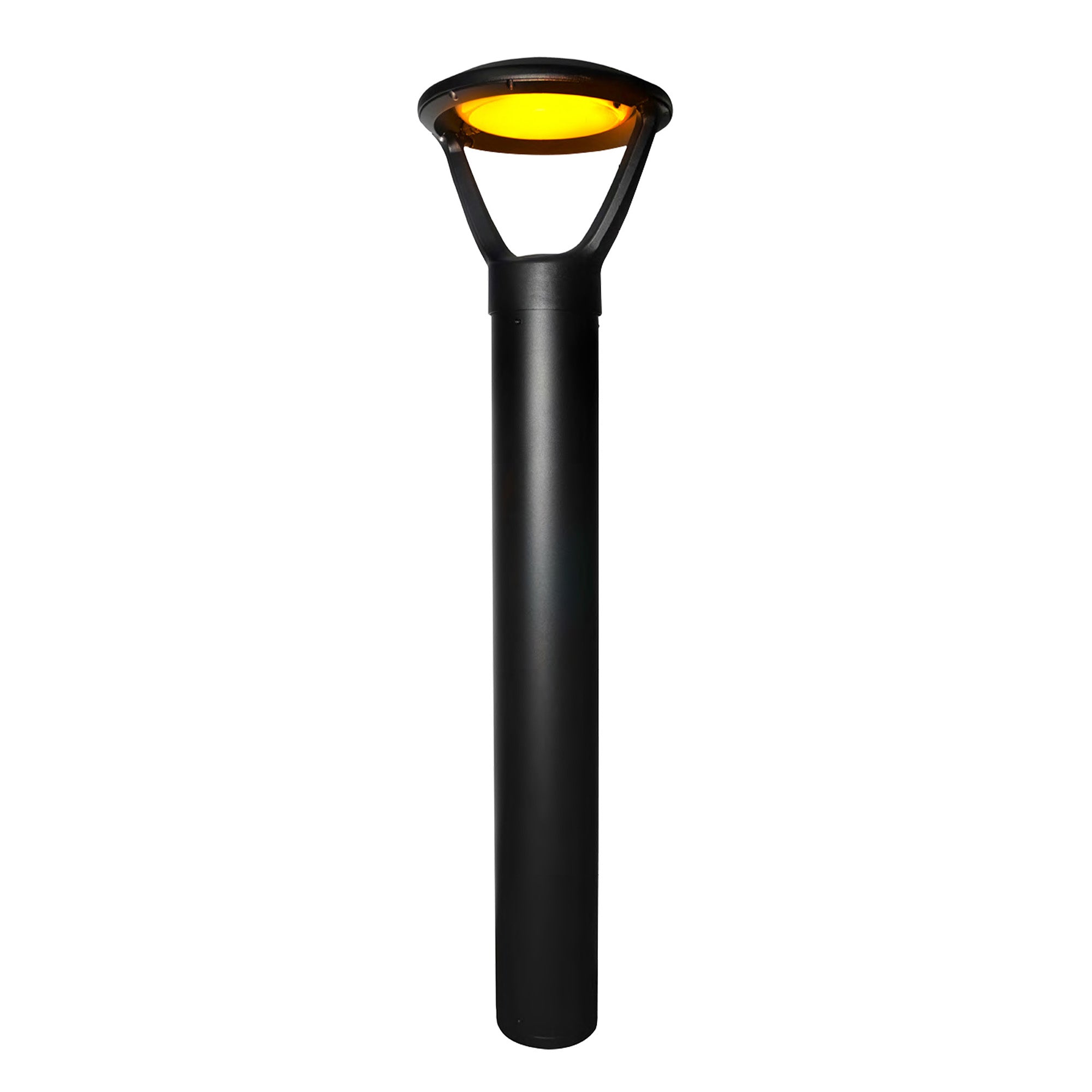
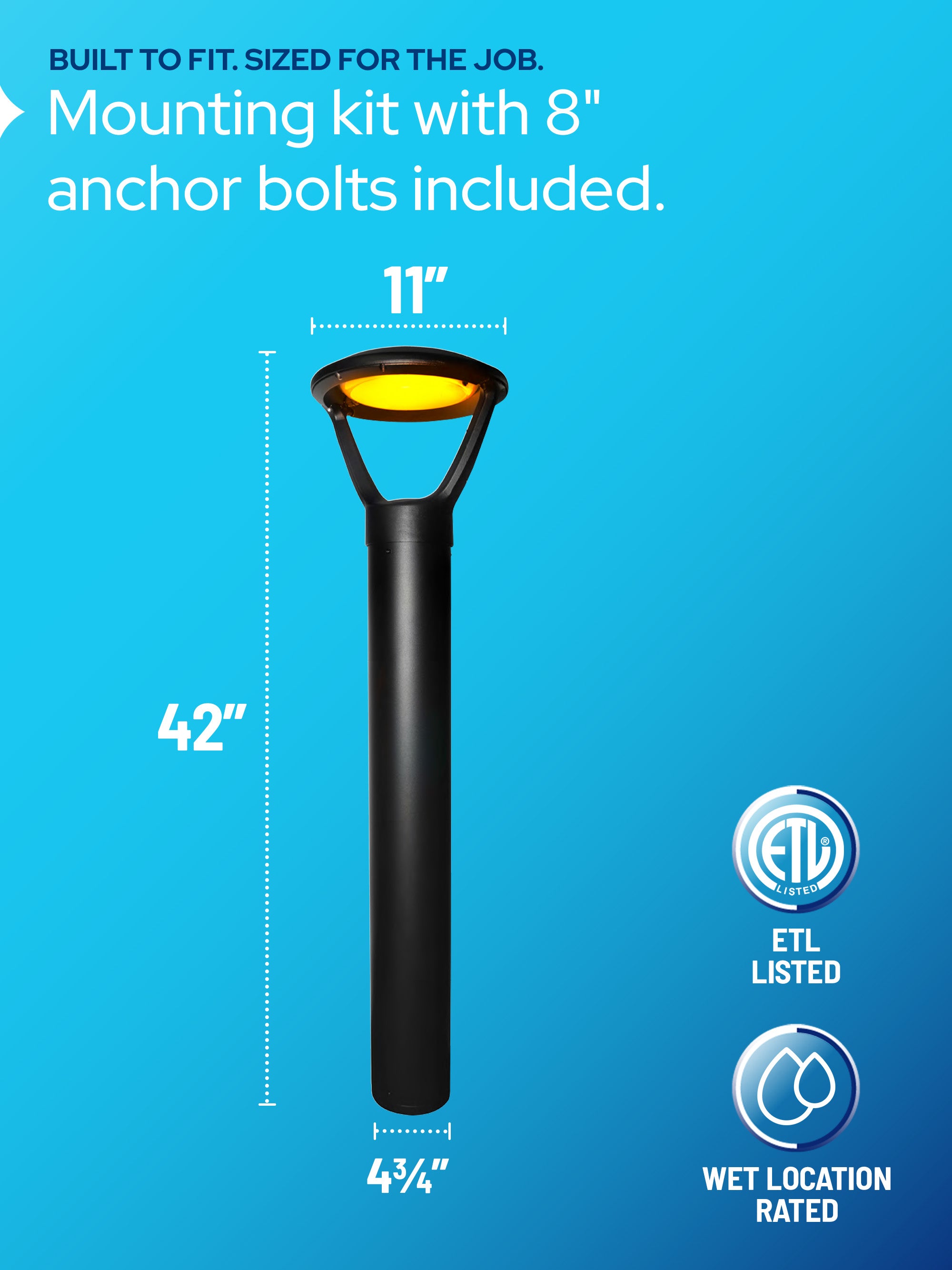
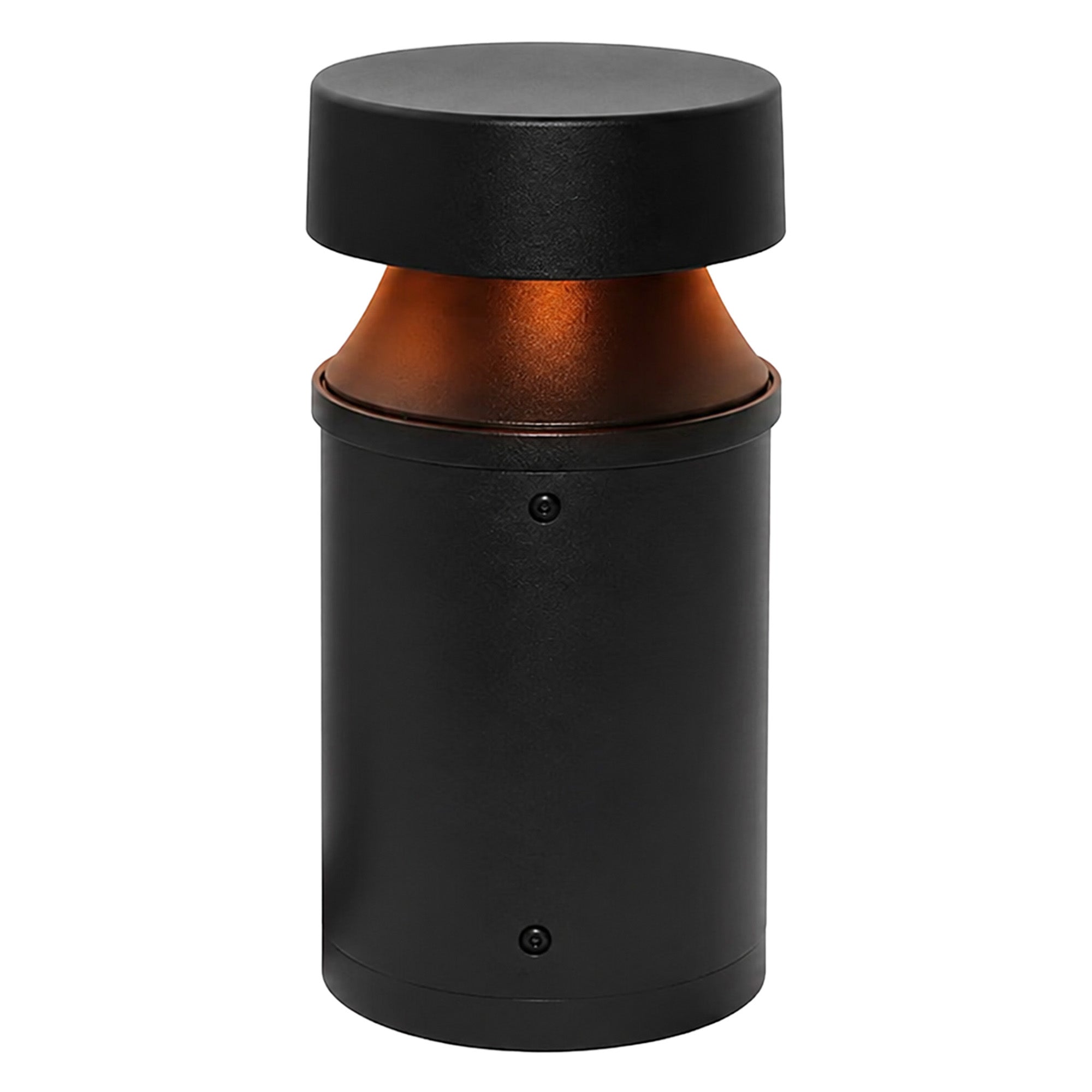
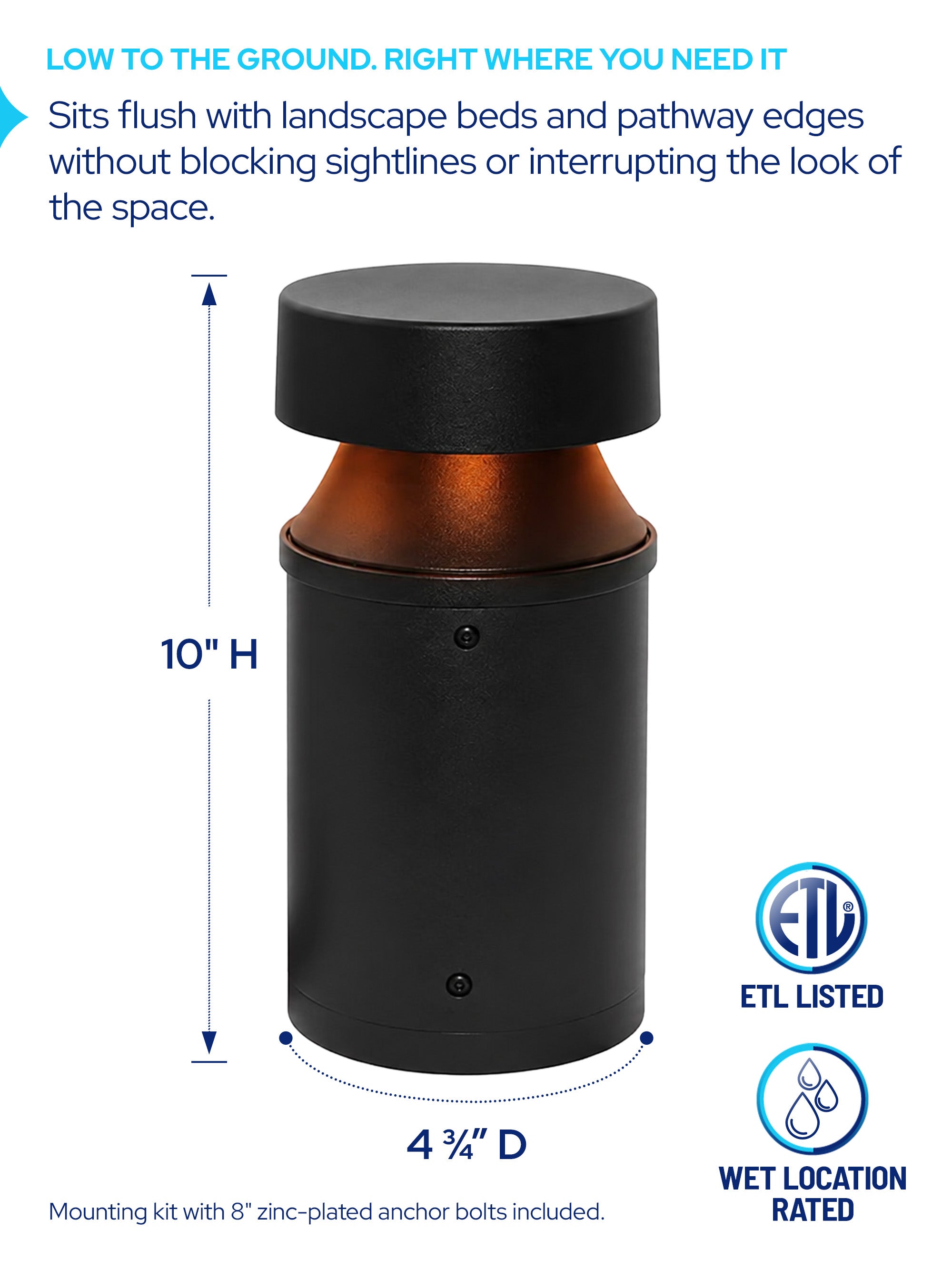
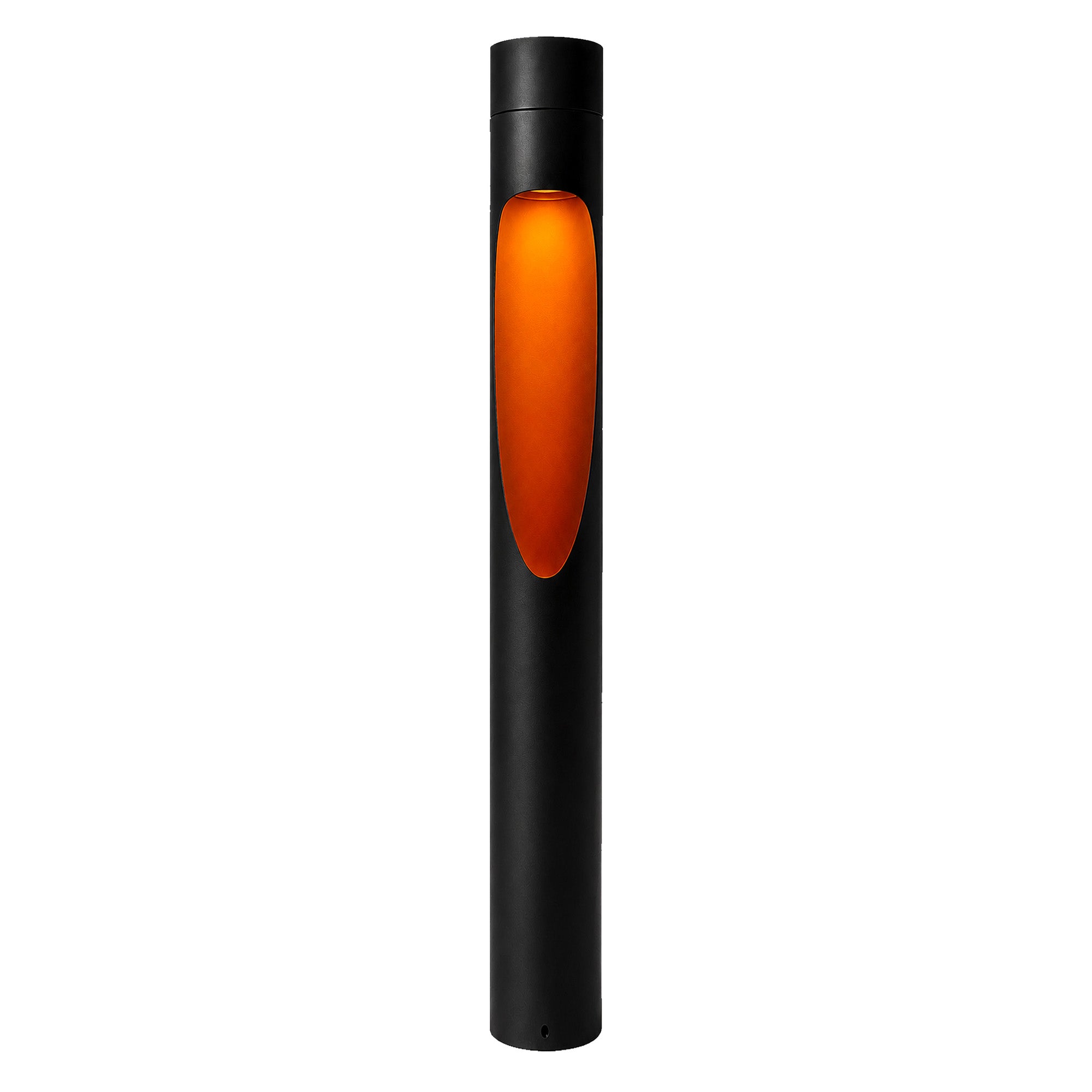
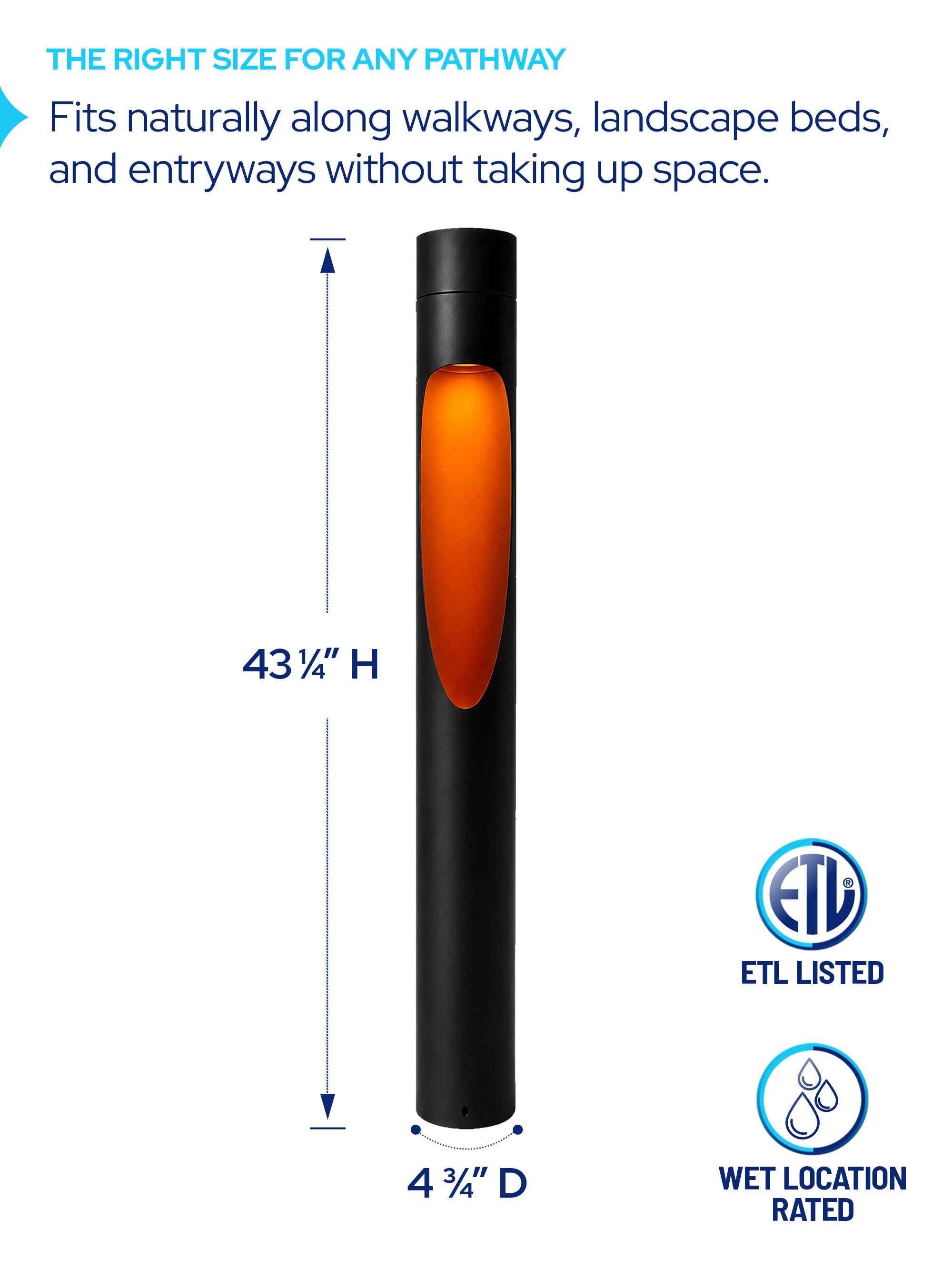
Path, step, and walkway lighting should use low-profile fixtures such as bollards (not exceeding 42 inches in height), recessed wall lights, or paver lights
-
Security lighting should use the minimum lumen output that achieves safety objectives
-
Pole-mounted fixtures should be installed only where lower-profile alternatives cannot meet code requirements, and should be fitted with appropriate shielding
3.2 Rule #2: Keep It LONG (Wavelength)
The second rule specifies that lamps and bulbs must produce only long wavelength light—560 nanometers or greater—which appears amber, orange, or red.[7] Critically, the FWC criteria require that fixtures emit wavelengths of 560nm or greater AND be absent wavelengths below 560nm.[26]
The FWC explicitly warns: "A common misconception is that long-wavelength lighting is not visible to sea turtles. This is FALSE."[25] Even properly specified amber lighting that is too bright can cause impacts. The wavelength specification reduces disruption but does not eliminate the need for proper intensity management.
Light sources that do NOT meet long-wavelength requirements include:[25]
-
White LEDs (any color temperature)
-
Metal halide lamps
-
Halogen lamps
-
Fluorescent lamps
-
Mercury vapor lamps
-
Incandescent lamps (including "warm white")
3.3 Rule #3: Keep It SHIELDED
The third rule mandates that fixtures must be completely downward-directed and must shield the bulb, lamp, or glowing lens from the beach.[7] Full-cutoff fixtures are required, meaning no light is emitted at or above the horizontal plane (90 degrees).
Key shielding considerations:[7,25]
-
Light must be shielded from all beach areas, not just the beach directly in front of the fixture
-
Balcony lights require shields that restrict illumination to the balcony itself
-
Motion sensors can supplement shielding by activating lights only when needed
-
Fixtures that cannot be adequately shielded should be replaced with certified wildlife lighting
4. Interior Lighting and Window Tinting Requirements
While exterior lighting receives the most attention, interior lighting visible from beaches has emerged as an equally significant—and often overlooked—source of hatchling disorientation. The FWC notes that "white lights inside the building can be visible from the beach and are often much brighter than the exterior lights. Interior lights can quickly turn a turtle friendly building into one that causes disorientations."[7]
4.1 State Window Tinting Requirements
Florida state rules require that tinted glass or film with a visible light transmittance (VLT) value of 45 percent or less (inside to outside) must be used on all glass windows, doors, and walls within line of sight of the beach—typically the seaward and shore-perpendicular sides of structures.[8]
However, recent research has demonstrated that the 45% threshold may be insufficient. A 2025 study published in Marine Pollution Bulletin tested loggerhead hatchling responses to white light viewed through various tint levels. The research found a significant positive relationship between higher VLT and hatchling attraction, with hatchlings responding similarly to 44% VLT (the control) and samples above 30% VLT, but showing significantly reduced attraction to samples below 30% VLT.[9]
Based on this and prior research, the FWC and Sea Turtle Conservancy now recommend:[8,27]
|
VLT Level |
Compliance Status |
Recommendation |
|---|---|---|
|
45% VLT |
Meets minimum state requirement |
Often requires additional window treatments |
|
30% VLT |
Recommended minimum |
Research shows reduced hatchling attraction |
|
25% VLT |
Most popular choice |
Balances visibility reduction with interior light |
|
15% VLT |
FWC & STC Ideal |
Best protection; successfully used |
Table 2: Window Tint VLT Levels and Recommendations for Sea Turtle Protection
4.2 Additional Interior Light Management Strategies
Even with appropriate window tinting, additional measures help ensure interior light does not reach nesting beaches:[7,27]
-
Close window coverings (blinds, curtains, drapes) at night during nesting season
-
Turn off lights when leaving rooms facing the beach
-
Move lamps and light fixtures away from windows
-
Use fixtures with shades instead of exposed bulbs
-
Install dimmer switches to reduce brightness when full illumination is not needed
-
Use low-wattage, warm white bulbs for interior lighting (though these still require tinting/coverings)
5. FWC Wildlife Lighting Certification Program
To assist property owners, developers, and lighting professionals in selecting compliant fixtures, the Florida Fish and Wildlife Conservation Commission maintains the Wildlife Lighting Certification Program—a rigorous testing and approval process for fixtures and bulbs that meet all three golden rules.[12]
5.1 Certification Criteria
To receive FWC certification, fixtures and lamps must meet all three Wildlife Lighting Criteria:[26]
-
LOW: Appropriately sized for low-mounting applications and available in low wattages
-
LONG: Use long wavelength (greater than 560nm AND absent wavelengths below 560nm) light sources such as amber, orange, or red LEDs without the use of filters, gels, or lenses
-
SHIELDED: Meet or exceed full cutoff requirements, shielding lamps or glowing lenses from being directly visible
5.2 Certification Process
The certification process involves two phases:[28]
-
Electronic Pre-Review: Manufacturers submit spectral power distribution reports, cut sheets, and (for pole/roadway fixtures) LM-79 reports from third-party testers
-
Physical Testing: If approved for testing, manufacturers submit physical samples fitted with a standard 120V plug for FWC laboratory evaluation
Certifications are valid for two years from issuance, after which fixtures must be resubmitted for certification.[28] The FWC has updated requirements over time, and all fixtures currently must go through the full certification (not recertification) process.
5.3 Categories of Certified Fixtures
FWC categorizes certified fixtures by application type to assist in selection:[12]
-
Wall-mounted fixtures (wall packs, sconces)
-
Bollard lights for pathways and walkways
-
Step and paver lights
-
Recessed fixtures
-
Pole-mounted area lights
-
Balcony fixtures
-
Retrofit bulbs and lamps
The complete database of certified fixtures is available at myfwc.com/conservation/you-conserve/lighting/criteria/certified/.[12]
6. Technical Specifications for Wildlife-Friendly Fixtures
6.1 Wavelength Requirements: True Amber vs. Phosphor-Converted Amber
Not all amber-colored lighting meets sea turtle requirements. Lighting manufacturers distinguish between two amber LED technologies:[16]
-
True Amber (Limited Wavelength) LEDs: Produce monochromatic light with peak wavelength around 590nm and virtually no energy below 560nm. These meet the strictest legislative requirements in all jurisdictions.
-
Phosphor-Converted Amber LEDs: More energy-efficient but may produce some energy below 560nm. While these may meet requirements in some areas, they may not satisfy the strictest municipal codes.
Acuity Brands explains: "While phosphor converted amber is more efficient, true amber limited wavelength is the only light source that meets the strictest legislative requirements in certain municipalities."[16] Property owners should verify which technology their local ordinance requires.
6.2 Typical Fixture Specifications
|
Fixture Type |
Typical Wattage |
Lumen Output |
Application |
|---|---|---|---|
|
Amber Wall Pack |
22W - 112W |
1,159 - 2,607 lumens |
Building exterior, parking areas |
|
Amber Bollard |
15W - 45W |
Up to 4,520 lumens |
Pathways, walkways |
|
Amber Area Light |
45W - 210W |
Up to 20,900 lumens |
Parking lots, large areas |
|
Amber Retrofit Bulb |
12W - 25W |
Varies by fixture |
Existing fixture upgrades |
Table 3: Typical Sea Turtle Friendly Fixture Specifications
Sources: Industrial Lighting Fixtures, Warehouse-Lighting.com[29,30]
6.3 Marine-Grade Construction Requirements
Coastal installations face harsh environmental conditions including salt air, humidity, and storm exposure. Quality wildlife-friendly fixtures incorporate:[29,31]
-
Marine-grade 304 or 316 stainless steel hardware to resist corrosion
-
IP64 or higher ingress protection ratings for dust and water resistance
-
Polyform gaskets and sealed housings
-
50,000+ hour LED lifespan ratings
-
5-year manufacturer warranties as standard
7. Compliance Requirements by Property Type
7.1 Residential Properties
Single-family homes and condominiums adjacent to nesting beaches must address both exterior and interior lighting. Key requirements include:[7]
-
All exterior fixtures on seaward and shore-perpendicular sides must be long-wavelength, shielded, and downward-directed
-
Windows facing the beach require 45% VLT or lower tinting (15-30% recommended)
-
Pool lights must be addressed—these can cause cumulative glow off water surfaces
-
Decorative lighting (string lights, uplighting) visible from beach should be eliminated or turned off during nesting season
For pool lighting, the FWC recommends locking pool lights on an amber or red color setting during nesting season and/or improving vegetation buffers to block pool glow from the beach.[7]
7.2 Hotels, Resorts, and Hospitality Properties
Commercial hospitality properties face heightened compliance challenges due to guest expectations, safety requirements, and the scale of lighting systems. Key considerations:[25,32]
-
Guest room windows: All oceanfront rooms require compliant window tinting; properties should provide guests with information on keeping blinds closed at night
-
Common areas: Lobbies, restaurants, and event spaces with beach visibility need interior light management strategies
-
Pool decks: Both pool lighting and surrounding deck lighting must be addressed
-
Parking areas: Must use amber fixtures with appropriate shielding; vegetation barriers recommended
-
Special events: Evening beach events require permit coordination; lighting cannot be visible from beach after 9 PM in many jurisdictions
7.3 Commercial and Municipal Properties
Retail, office, and municipal properties within sea turtle lighting districts must comply with the Model Ordinance provisions for parking areas, roadways, and building exteriors. The Model Ordinance specifies:[22]
-
"All lighting of parking areas and roadways shall be long wavelength, downward directed, full cutoff, fully shielded, and mounted to the minimum level required"
-
Parking area and roadway lighting must be shielded from beach view via vegetation, natural features, or artificial structures
-
Pole-mounted lights permitted only where lower-profile alternatives cannot meet federal/state safety minimums
-
Vehicle headlight impacts must be addressed through landscaping or barriers
7.4 New Construction Requirements
New construction within sea turtle lighting districts faces the most comprehensive requirements, as the Model Ordinance specifies that "the most protective lighting standards apply to new construction visible from the beach."[22] Requirements include:
-
Lighting plans submitted as part of CCCL (Coastal Construction Control Line) permit applications
-
Environmental Resource Permit (ERP) requirements addressing lighting impacts
-
Window glazing specifications incorporated into building design
-
Construction lighting restrictions during nesting season—security lighting must not illuminate the beach
8. Documented Conservation Success: The Case for Compliance
Rigorous enforcement of lighting regulations produces measurable conservation outcomes. Multiple case studies across Florida demonstrate the effectiveness of comprehensive lighting management programs.
8.1 Volusia County: A Four-Decade Transformation
Volusia County provides one of the most compelling examples of lighting regulation success. According to Liton Lighting, which works with the FWC certification program: "In Volusia County, the nests along a 22-mile stretch of the beach had increased from only 54 in 1985 to more than 400 in 2004 following the adoption of strict lighting regulations in new and existing infrastructure."[11]
This seven-fold increase in nesting activity over less than two decades demonstrates the direct correlation between artificial light reduction and sea turtle reproductive success.
8.2 Anna Maria Island: Community-Wide Transformation
Anna Maria Island Turtle Watch Director Suzi Fox recalls the conditions before comprehensive lighting management: "There wasn't one half-block area in 7 miles where you could release a hatchling and have it go to the sea."[33]
Through sustained education, enforcement, and grant-funded retrofits, the island has achieved remarkable transformation. Fox notes: "In between the grant-funded buildings, everybody else has come into compliance. Now we have blocks, whole cities, with turtle-friendly lighting."[33] The 2024 season saw the island record 544 nests producing more than 30,000 hatchlings.[34]
8.3 Statewide Nesting Trends
Florida's overall sea turtle nesting numbers reflect both conservation successes and the ongoing challenges. The FWC reports that Florida hosts the greatest number of nesting loggerheads in the world, with an annual average of 103,342 clutches (2018-2022).[35]
Martin County's 2024 data illustrates localized success: the county's 22 miles of coastline hosted 16,273 sea turtle nests—a 25 percent increase over the previous year.[4] Green turtle populations, which had been rapidly increasing since 1998, led to their downlisting from "endangered" to "threatened" under the Endangered Species Act.[36]
9. Emerging Challenges: Skyglow, Temporary Lighting, and Post-Storm Impacts
9.1 The Growing Skyglow Problem
While exterior and interior lighting from beachfront properties has been the traditional focus of regulations, skyglow—the cumulative artificial brightening of the night sky from urban and suburban light sources—has emerged as an increasingly significant threat.[27]
SCCF Sea Turtle Biologist Savannah Weber reports that on Sanibel and Captiva: "We are seeing a lot of disorientations from sky glow. Depending on where you are on the beach, there might be sky glow from Cape Coral, Bonita Springs or even Naples."[19] This represents light pollution from communities miles inland affecting coastal nesting beaches.
Addressing skyglow requires broader community action beyond beachfront property regulations. The Sea Turtle Conservancy encourages residents everywhere to "use shielded fixtures to reduce light pollution in your community" and to "encourage your local government to adopt a dark sky ordinance."[27]
9.2 Temporary Lighting and Beach Recreation
Conservation organizations have reported "an increase in white flashlight, cell phone, and other temporary lighting use on the beach at night for recreational activities."[27] This emerging threat is particularly insidious because:
-
White flashlights are full-spectrum, containing both short and long wavelengths
-
Red flashlight filters do not actually alter the wavelength of emitted light
-
Even long-wavelength flashlights at high intensity can attract sea turtles
The Sea Turtle Conservancy recommends alternative nighttime beach activities: "stargazing, enjoying the beach at night without flashlights, fishing from wildlife friendly piers, and looking for bioluminescence."[27]
9.3 Hurricane and Storm Impacts
Recent hurricane seasons have created new lighting challenges for coastal communities. SCCF's Savannah Weber explains the mechanism: "The increase from last year is likely tied to ongoing impacts from hurricanes, starting with Hurricane Ian in 2022 and worsening with Hurricanes Milton and Helene, which hit last fall. Much of the natural dune vegetation that would normally help block artificial light has been stripped."[18]
Additionally, storm damage to buildings can expose previously concealed lighting, and reconstruction activities may introduce non-compliant fixtures. Property owners rebuilding after storms must ensure all new lighting meets current ordinance requirements—which may be stricter than regulations in place when the original structure was built.
10. Compliance Checklist and Implementation Guide
10.1 Property Assessment Checklist
Use this checklist to evaluate your property's current compliance status:[7,26]
|
Assessment Item |
Status |
|---|---|
|
EXTERIOR LIGHTING |
|
|
All beach-visible fixtures use 560nm+ wavelength (amber/red) |
☐ Yes ☐ No |
|
All fixtures are full-cutoff/downward directed |
☐ Yes ☐ No |
|
Fixtures mounted as low as functionally possible |
☐ Yes ☐ No |
|
Light source/lens not visible from any beach area |
☐ Yes ☐ No |
|
Decorative/unnecessary lights removed or disabled |
☐ Yes ☐ No |
|
INTERIOR LIGHTING |
|
|
Beach-facing windows have 45% VLT or lower tinting |
☐ Yes ☐ No |
|
Window treatments (blinds/curtains) available and used |
☐ Yes ☐ No |
|
Light fixtures positioned away from windows |
☐ Yes ☐ No |
|
POOL & LANDSCAPE |
|
|
Pool lights set to amber/red during nesting season |
☐ Yes ☐ No ☐ N/A |
|
Landscape lighting eliminated or properly shielded |
☐ Yes ☐ No ☐ N/A |
Table 4: Sea Turtle Lighting Compliance Assessment Checklist
10.2 Retrofit Implementation Steps
For properties requiring lighting modifications, follow this systematic approach:
-
Step 1 - Identify your jurisdiction's requirements: Use the FWC interactive map to confirm which ordinance applies to your property and review specific local requirements
-
Step 2 - Conduct beach-side assessment: Walk the beach at night to identify all visible light sources from your property
-
Step 3 - Prioritize modifications: Address highest-impact issues first (brightest lights, most beach-visible fixtures)
-
Step 4 - Select FWC-certified fixtures: Consult the certified fixture database for compliant replacement options
-
Step 5 - Professional installation: Use qualified electricians familiar with coastal lighting requirements
-
Step 6 - Verify compliance: Re-assess from beach at night after installation to confirm no light visibility
-
Step 7 - Document compliance: Maintain records of certified fixture specifications for code enforcement inquiries
11. Resources and Contact Information
11.1 FWC Resources
-
Wildlife Lighting Program: myfwc.com/conservation/you-conserve/lighting/
-
Certified Fixtures Database: myfwc.com/conservation/you-conserve/lighting/criteria/certified/
-
Lighting Ordinance Map: myfwc.com/conservation/you-conserve/lighting/ordinances/
-
Sea Turtle Lighting Guidelines PDF: myfwc.com/media/18511/seaturtle-lightingguidelines.pdf
-
Wildlife Lighting Contact: WildlifeLighting@MyFWC.com
11.2 Conservation Organizations
-
Sea Turtle Conservancy: conserveturtles.org
-
Loggerhead Marinelife Center: marinelife.org
-
Sea Turtle Preservation Society: seaturtlespacecoast.org
11.3 Emergency Contacts
-
FWC Wildlife Alert Hotline: 1-888-404-FWCC (3922) or *FWC on mobile phones
Report: Sick, injured, or stranded sea turtles; harassment of sea turtles; nest disturbances; suspected lighting violations
Conclusion
Sea turtle friendly lighting represents both a legal obligation and a conservation opportunity for Florida's coastal property owners. The regulatory framework—built on decades of scientific research into sea turtle vision and behavior—provides clear, actionable guidance for achieving compliance while maintaining functional lighting for safety and aesthetics.
The documented success stories from communities like Volusia County and Anna Maria Island demonstrate that comprehensive lighting management produces measurable conservation outcomes. The seven-fold increase in nesting activity in Volusia County following lighting regulation adoption[11] provides compelling evidence that proper lighting practices directly support sea turtle population recovery.
As Florida's coastal development continues and emerging challenges like skyglow and climate-driven storm impacts create new pressures, the importance of wildlife-friendly lighting will only increase. Property owners who proactively invest in compliant lighting systems not only avoid potential penalties but contribute meaningfully to the conservation of species that have navigated Earth's oceans for over 100 million years.
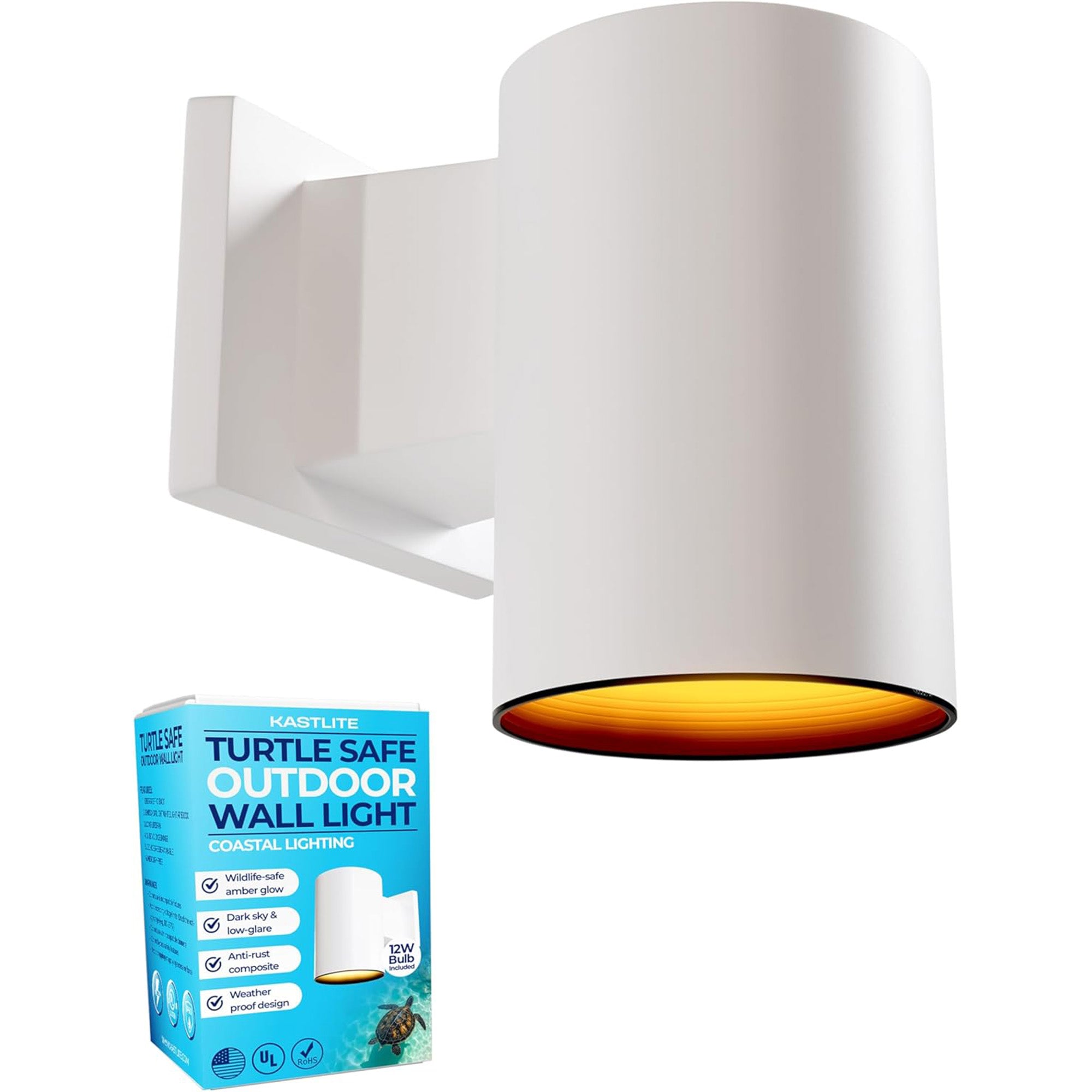
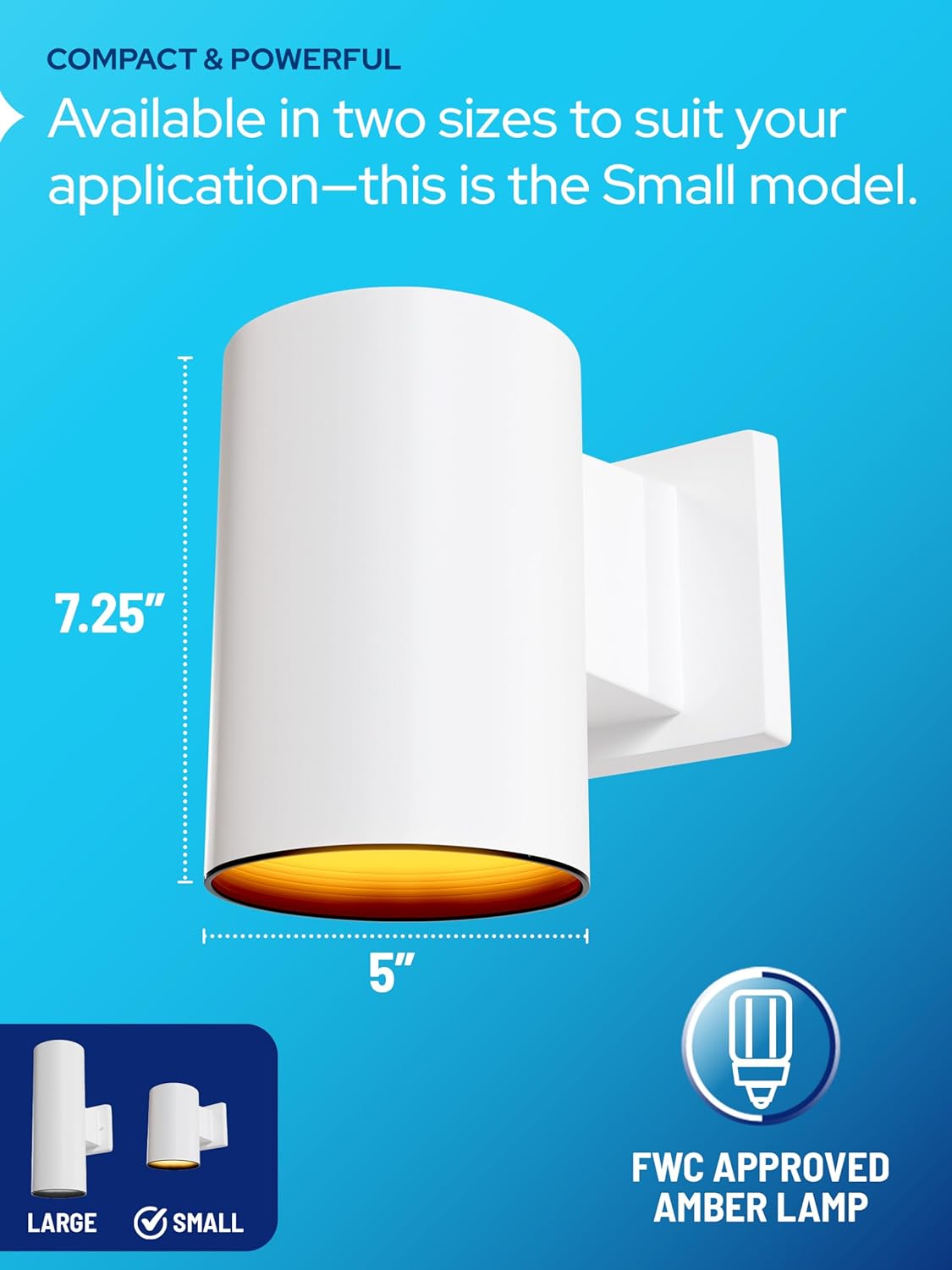
For assistance selecting compliant lighting solutions including amber LED fixtures, post-top globes, and light diffusion panels suitable for coastal applications, contact KastLite at 800-587-3310 or visit kastlite.com.
References
[1] Visit Florida. "Where to See Nesting Sea Turtles in Florida." visitflorida.com/travel-ideas/articles/outdoors-nature-florida-beaches-to-see-nesting-sea-turtles/
[2] WTSP Tampa Bay. "Sea turtle nesting has started in Florida." wtsp.com
[3] Florida Fish and Wildlife Conservation Commission. "Index Nesting Beach Survey Totals (1989-2024)." myfwc.com/research/wildlife/sea-turtles/nesting/beach-survey-totals/
[4] Martin County Florida. "Sea Turtle Protection." martin.fl.us/seaturtle
[5] National Fish and Wildlife Foundation. "Keeping sea turtles in the dark." nfwf.org/node/3407/keeping-sea-turtles-dark
[6] Florida Fish and Wildlife Conservation Commission. "Artificial Lighting and Sea Turtle Hatchling Behavior." myfwc.com/research/wildlife/sea-turtles/threats/artificial-lighting/
[7] Florida Fish and Wildlife Conservation Commission. "Sea Turtles and Lights." myfwc.com/wildlifehabitats/wildlife/sea-turtle/lighting/
[8] Florida Fish and Wildlife Conservation Commission. "FWC Sea Turtle Lighting Guidelines." December 2018. naplesgov.com/media/132271
[9] Weishampel, J.F. et al. "Can darker window tints reduce interior light impacts to hatchling sea turtles on developed coastlines?" Marine Pollution Bulletin, January 2025. sciencedirect.com
[10] Sea Turtle Preservation Society. "Sea Turtles and the Red Light Myth!" seaturtlespacecoast.org
[11] Liton Lighting. "Turtle Safe Amber Products - Wildlife Friendly Lighting Program." liton.com/turtle-safe-amber-products.html
[12] Florida Fish and Wildlife Conservation Commission. "Certified Wildlife Lighting." myfwc.com/conservation/you-conserve/lighting/criteria/certified/
[13] Florida Fish and Wildlife Conservation Commission. "Sea Turtle Disorientations." myfwc.com/wildlifehabitats/wildlife/sea-turtle/lighting/disorientations/
[14] U.S. Geological Survey. "Environmental factors predicting the orientation of sea turtle hatchlings on a naturally lighted beach." usgs.gov
[15] National Wildlife Federation. "Hope for Sea Turtles Amid Wildlife-friendly Lighting Ordinances." March 2025. blog.nwf.org
[16] Acuity Brands. "Turtle-Friendly Lighting." acuitybrands.com/resources/featured-technologies/turtle-friendly-lighting
[17] National Fish and Wildlife Foundation. "New Lighting Gives Sea Turtle Hatchlings a New Lease on Life." nfwf.org/node/3407/new-lighting-gives-sea-turtle-hatchlings-new-lease-life
[18] Sanibel-Captiva Conservation Foundation. "After 9, It's Turtle Time: Prevent Hatchling Disorientations." August 2025. sccf.org
[19] Gulf Coast News Now. "Sea turtle hatchlings 'disoriented' by post-storm light pollution along Gulf Coast beaches." October 2025. gulfcoastnewsnow.com
[20] Florida Fish and Wildlife Conservation Commission. "Sea Turtle Protection Ordinances." myfwc.com/conservation/you-conserve/lighting/ordinances/
[21] Florida Administrative Rules. "62B-55: Model Lighting Ordinance for Marine Turtle Protection." flrules.org/gateway/ChapterHome.asp?Chapter=62b-55
[22] Florida Department of Environmental Protection. "The State of Florida Model Lighting Ordinance for Sea Turtle Protection." floridadep.gov
[23] Sea Turtle Preservation Society. "City of Miami Beach Updates Its Sea Turtle Lighting Ordinance." February 2025. seaturtlespacecoast.org
[24] National Wildlife Federation. "Hope for Sea Turtles Amid Wildlife-friendly Lighting Ordinances." blog.nwf.org
[25] Florida Fish and Wildlife Conservation Commission. "FWC Sea Turtle Lighting Guidelines." myfwc.com/media/18511/seaturtle-lightingguidelines.pdf
[26] Florida Fish and Wildlife Conservation Commission. "Wildlife Lighting Criteria." myfwc.com/conservation/you-conserve/lighting/criteria/
[27] Sea Turtle Conservancy. "Wildlife Lighting." conserveturtles.org/beachfront-lighting-turtle-friendly-fixtures-lights/
[28] Florida Fish and Wildlife Conservation Commission. "Wildlife Lighting Certification Program." myfwc.com/conservation/you-conserve/lighting/criteria/certification/
[29] Industrial Lighting Fixtures. "Turtle Friendly Lighting: Protect Sea Turtles with Amber Lighting." industriallightingfixtures.org
[30] Warehouse-Lighting.com. "Coastal Wildlife Lighting." warehouse-lighting.com/collections/coastal-wildlife-lighting
[31] Sea Turtle Lighting. "Sea Turtle Amber LED Wall Pack." seaturtlelighting.net
[32] City of Hollywood, FL. "Turtle Friendly Lighting Recognition Program." hollywoodfl.org
[33] National Fish and Wildlife Foundation. "Keeping sea turtles in the dark." nfwf.org
[34] WTSP Tampa Bay. "Record sea turtle nesting for Sarasota beaches." wtsp.com
[35] Florida Fish and Wildlife Conservation Commission. "Trends in Sea Turtle Nesting in Florida." myfwc.com/research/about/archive/turtle-nesting/
[36] Scientific Reports. "Forty years of monitoring increasing sea turtle relative abundance in the Gulf of Mexico." nature.com/articles/s41598-023-43651-4
[37] Florida State Parks. "Sea Turtle Nesting Season is Here." floridastateparks.org
[38] Loggerhead Marinelife Center. "Sea Turtle Nesting Season Florida." marinelife.org/sea-turtle-nesting-season-florida/
[39] Concord Window Film. "What is Turtle Film?" windowfilm.com/what-is-turtle-film/
[40] Vitro Architectural Glass. "Glass Technical Document TD-123: Turtle Glass." vitroglazings.com
[41] Sea Turtle Conservancy. "Interior Light, Skyglow and Temporary Lighting." conserveturtles.org
[42] DMF Lighting. "Wildlife-Friendly Lighting." dmflighting.com/wildlife-friendly-lighting/
[43] TotalLEDs. "Amber LED Lamp – Coastal Wildlife and Sea Turtle-Safe." totalleds.com
[44] Industrial Lighting Fixtures. "Protecting Coastal Habitats: The Role of Amber LED Lights in Sea Turtle Conservation." industriallightingfixtures.org
[45] Broward County. "Sea Turtles - Sea Turtle Lighting." broward.org
[46] Sea Turtle Conservancy. "Artificial Lighting." conserveturtles.org/information-sea-turtles-threats-artificial-lighting/
[47] WTSP Tampa Bay. "Artificial light threatens baby sea turtles." wtsp.com
[48] City of Islamorada. "Sea Turtle Nesting Regulations." islamorada.fl.us
[49] Sebastian Inlet District. "Sea turtle nesting season is underway." sitd.us
[50] Mote Marine Laboratory. "Sea Turtle Nest Numbers." mote.org
[51] Sea Turtle Conservancy. "All the Light They Can and Should Not See: A Short History of Sea Turtle Lighting Science and Policy in Florida." March 2025. conserveturtles.org
[52] City of Pompano Beach. "155.5402 Lighting Requirements for Marine Turtle Protection." codelibrary.amlegal.com
[53] DRSA. "Florida Dock Lighting Guide 2025." drsa.com
[54] Volusia County. "Sea Turtles and Artificial Lighting: Frequently Asked Questions." volusia.org
[55] ZLED Lighting. "Coastal Turtle Friendly LED Lighting Brochure." zledlighting.com
|
About KastLite KastLite has been a trusted leader in lighting and plastic solutions for over 50 years. Based in Florida, we understand the unique requirements of coastal properties and offer a comprehensive selection of sea turtle friendly lighting solutions, post-top globes, acorns, lighting panels, diffusers, and plastic sheets suitable for wildlife-sensitive applications. Contact us: 800-587-3310 | support@kastlite.com | kastlite.com Shop Sea Turtle & Coastal Lighting: kastlite.com/collections/sea-turtle |