
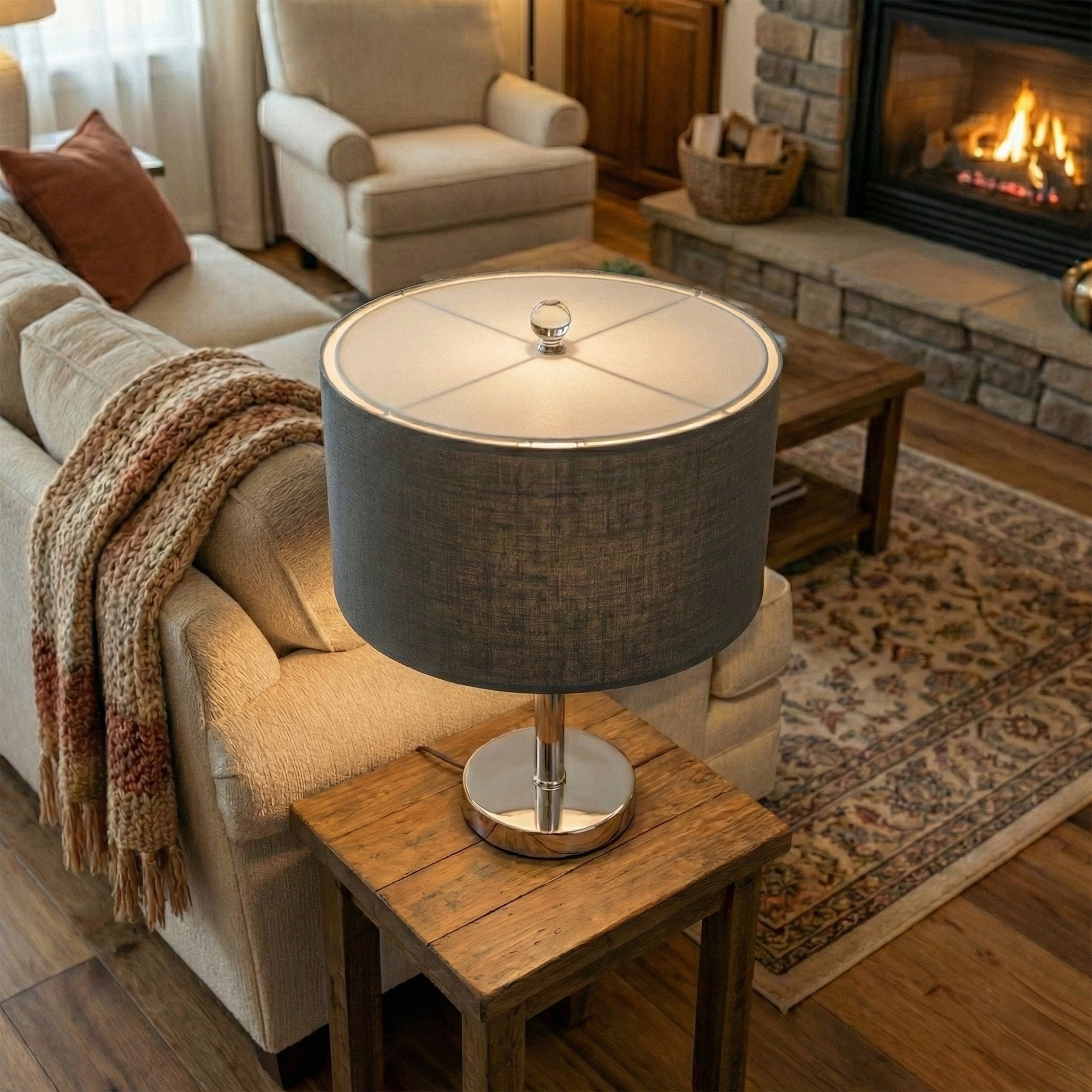
Quick Answer
A light diffuser is a translucent panel placed between a light source and a room. It scatters concentrated light from bulbs, tubes, or LEDs into soft, even illumination. Light diffusers reduce glare, eliminate hot spots, and spread brightness across a wider area. Common diffuser materials include acrylic, polycarbonate, PETG, and prismatic plastic.
The panel decides whether a fixture glares or lights a room evenly, and when one yellows or cracks you replace the panel, not the fixture. KASTLITE cuts acrylic, polycarbonate, and PETG diffuser panels to size, with free shipping to 48 states.
What is a light diffuser in everyday terms? A panel that spreads and softens light. It takes harsh, direct light and turns it into gentle, even illumination. When light passes through a diffuser, it scatters in many directions. This creates softer light that fills a room without glare or hot spots. Common diffuser types include acrylic panels, prismatic lenses, egg crate grids for fluorescent fixtures, and light covers built for fluorescent light tubes.
Diffusers reduce glare and visual discomfort by scattering concentrated light sources across a wider area.
Think about how sunlight looks on a cloudy day. The clouds act as a natural diffuser. They scatter light across the entire sky. The result is soft, comfortable brightness with no harsh shadows.
A light diffuser does the same thing for artificial light sources. It sits between the bulb and your space. The material breaks up focused light and spreads it evenly. You get better quality of light that feels natural and inviting.
What Is the Purpose of a Light Diffuser?
The main purpose of a light diffuser is to improve how light looks and feels, because direct light from bare bulbs and LED chips creates three problems at once: glare, sharp-edged shadows, and hot spots that tire your eyes by mid-afternoon.
A diffuser solves all three by scattering that light across a wider area, which gives you uniform illumination throughout the space and a noticeably better quality of light.
Diffusers serve several key purposes:
They reduce glare from bright light sources. Bare bulbs and LED strips put out intense, focused light that causes eye strain over a long shift, and a diffuser softens that harshness until the light is comfortable to sit under for hours.
They eliminate harsh shadows. Where direct light creates strong contrast between lit and dark areas, diffused light wraps around objects and produces softer shadows that look more natural.
They hide the light source itself, since nobody wants to look up at bare bulbs or a row of LED chips. Diffuser panels create a clean, finished look: smooth, glowing surfaces instead of individual light points.
They improve the mood of a room. Harsh light feels clinical and cold, diffused light feels warm and welcoming, and that difference changes how people experience a space.
How Does Light Diffusion Work?
Light diffusion happens when light hits a textured or translucent surface that breaks up the beam, so instead of traveling in one direction the light scatters in many directions at once.
The underlying principle is light diffusion, where incoming rays scatter in multiple directions to create softer, more even illumination.
Here is how the process works. Light leaves your bulb in straight lines, and when it hits the diffuser surface the material redirects it. Light scattering happens as tiny particles, textures, or structures inside the material bend each ray a different way.
The scattered light exits the other side spread over a much larger area, which changes the apparent size of the source: a small bulb now reads as a large, glowing panel, and larger sources always produce softer light with softer shadows.
Different diffuser materials achieve this effect in various ways. Some use embedded particles that scatter light as it passes through. Others use surface textures or microstructures to redirect light at different angles.
The angle at which light hits the diffuser affects the result. The shape and density of the diffusion material matter too. Thicker or more opaque diffusers scatter light more. They produce more diffuse output but let less total light through.
Types of Light Diffusers Explained
Light diffusers come in several forms, and each type scatters light in its own way. Understanding the different types helps you choose the right one for your specific application.
Optical Diffusers
An optical diffuser is designed for precise light control. These diffusers work in scientific, industrial, and high-end lighting applications. They offer predictable, measurable light diffusion.
There are two main categories of optical diffusers:
Volume diffusers scatter light using particles embedded within the material. Light enters the diffuser and bounces off these internal particles. The particles can be glass, polymer, or other materials. The density and size of particles control how much the diffuser scatters light.
Surface-relief diffusers achieve light diffusion through microstructures on their surface. These tiny patterns redirect light as it passes through. The shape and spacing of these structures determine the diffusion pattern.
Holographic Diffusers
Holographic diffusers use microscopic surface patterns created through holography. These patterns scatter light with extreme precision. You can control exactly how far and in what shape the light spreads.
A diffractive diffuser falls into this category. It uses diffraction rather than scattering to spread light. These diffusers produce very specific light distribution patterns. They work well in applications requiring controlled, even illumination.
Glass Diffusers
Glass diffusers remain a popular choice for many applications. Frosted glass is the most common example. The roughened surface scatters light as it passes through.
Ground glass diffusers work by breaking light into many directions through their textured surface. The grinding process creates tiny irregularities. These scatter incoming light evenly.
Glass diffusers can also be etched or colored. This provides a range of visual effects. Glass resists heat well and lasts for years. However, it weighs more than plastic options and can break.
Fused silica diffusers offer premium performance. This high-purity glass material handles extreme conditions. It works across a wide spectrum of light wavelengths. Fused silica suits demanding scientific and industrial applications.
Acrylic and Plastic Diffusers
Acrylic diffusers offer the best balance of performance and value for most fixtures: lightweight, durable, cost effective, and available in enough textures and opacities to suit almost any need.
White acrylic provides maximum diffusion. It scatters light completely, hiding the light source behind a uniform glow. Opal and frosted finishes offer different levels of diffusion.
Translucent plastics include other options beyond acrylic. Polycarbonate resists impact better. PETG offers good clarity. Each material has specific benefits for different applications.
Reflective Diffusers
Reflective diffusers work differently from transmissive types. Instead of letting light pass through, they scatter light by bouncing it off their surface. A sandblasted metallic coating creates the diffusing effect.
These diffusers work well in photography. They bounce light onto subjects from different angles. This fills in shadows and creates flattering light for portraits. A reflector with a diffusing surface spreads bounced light evenly.
Fabric Diffusers
Fabric diffusers produce a warm glow that enhances any space. They filter light through woven material. The texture of the fabric determines how much diffusion occurs.
Fabric works well in lamps and decorative fixtures. It creates a soft, cozy mood. However, fabric cannot handle high heat or moisture. It suits homeowners' living rooms and bedrooms and hospitality settings best.
LED Diffusers
LED diffusers are designed specifically for LED light sources. LEDs produce very focused light from small chips. Without diffusion, you see individual points of light and harsh shadows.
LED diffusers solve this problem. They scatter the concentrated light from LED chips. This creates smooth, even output. Most modern LED fixtures include built-in diffusers for this reason.
LED diffusers come in strips, panels, and custom shapes. They work with both linear LED strips and array-style fixtures. The right diffuser turns harsh LED output into comfortable, diffused light.
Benefits of Using Diffused Light
Diffused light offers many benefits over direct light. These advantages apply to homes, offices, retail stores, and commercial spaces alike.
Reduces Eye Strain
Direct light causes eye strain because bright points of light force your eyes to keep readjusting, and over a working day that leads to fatigue and headaches.
Diffused light is gentler on your eyes. The lower intensity and even spread reduce strain, which matters most in offices and workspaces where people spend eight hours a day under artificial light, so a diffuser is a comfort and productivity decision as much as a lighting one.
Creates Better Mood and Atmosphere
Lighting affects how a room feels: harsh light creates an uncomfortable, clinical atmosphere, while diffused light feels warmer and more inviting.
This matters in commercial spaces especially. Retail stores use diffused light to create a welcoming mood. Restaurants and hotels rely on it for ambiance. The right quality of light makes people want to stay longer.
Eliminates Glare and Reflections
Glare causes discomfort and reduces visibility, and it throws reflections onto screens and shiny surfaces that get in the way of work and daily activities.
Diffusers reduce glare by scattering light at wider angles, so it reaches surfaces from many directions instead of one, and that minimizes harsh reflections and makes a space more usable.
Produces Softer Shadows
Direct light creates sharper shadows with hard edges, and those high-contrast shadows look unnatural indoors and make a space feel stark.
Diffused light produces softer shadows with gradual transitions because the scattered light wraps around objects. Shadows still exist, but they blend smoothly into the lit areas for a more natural look.
Improves Photography and Video
Diffusers are essential tools for capturing quality images. Direct flash or studio lights create harsh specular highlights. They cast unflattering shadows on faces.
Diffused light solves these problems. It creates flattering light that minimizes skin blemishes. Softer shadows smooth skin textures in portraits. Photo professionals rely on diffusers to achieve natural-looking results.
The lower contrast from diffused light also helps cameras. Sensors capture more detail when the range between bright and dark areas is smaller. This produces better images with more information throughout the frame.
Cost Effective Lighting Solution
Well-designed diffusers spread light further across a space. This can reduce the number of fixtures you need. Fewer fixtures mean lower installation and energy costs.
LED diffusers also maximize the effectiveness of your light sources. By spreading light evenly, less light gets wasted on over-lit areas. This cost effective approach lowers energy bills over time.
How Do You Use a Light Diffuser?
Using a light diffuser is straightforward: place it between the light source and the area you want to illuminate, and the material does the rest.
For ceiling light fixtures, diffuser panels mount below the lamps in frames or clips designed for the fixture type, and the panel hides the bulbs while spreading their output across the room.
For LED strips, diffuser channels snap over the lights. These extruded profiles hold the strip and diffuser together and create clean lines of soft light.
For photography, diffusers attach to lights or stand between the light and subject. A softbox is essentially an enclosed diffuser. Reflective diffusers bounce and scatter light from one direction onto the subject.
The distance between diffuser and light source affects the result. Closer placement creates more focused output. Greater distance increases the effective size and produces softer light.
The diffuser material matters for your specific application. Choose based on how much diffusion you need, what spectrum of light you are working with, and environmental factors like heat and moisture.
Do LED Lights Need a Diffuser?
Yes, LED lights benefit greatly from diffusers. In fact, LEDs often need diffusion more than older bulb types.
LEDs produce light from very small chips, which means intense, focused light from point sources. Without diffusion you see individual bright dots, and the concentrated light casts sharp, high-contrast shadows.
LED diffusers change this harsh output by scattering the light from each chip, so multiple point sources blend into smooth, even illumination and the visible dots disappear behind a uniform glow.
They also reduce the intensity at any single point, which makes the light more comfortable and prevents the eye strain that bare LEDs can cause.
For these reasons, most quality LED fixtures include diffusers. LED strip channels come with diffuser covers. Panel lights have built-in diffusion layers. The combination of efficient LED technology and proper diffusion delivers excellent quality of light.
Choosing the Right Diffuser Material
Selecting a diffuser requires matching the material to your needs. Consider these factors:
Light transmission, How much light needs to pass through? High transmission means brighter output. More diffusion usually means less transmission.
Environment, Will the diffuser face heat, moisture, or UV light? Glass and polycarbonate handle heat better. Some materials yellow with UV exposure unless they carry UV coatings.
Durability, Does the space see heavy use? Polycarbonate resists impact. Acrylic scratches more easily.
Appearance, What look do you want to achieve? Different materials produce different qualities of diffused light. Some create a warm glow. Others appear bright and clean.
Budget, What is cost effective for your project? Acrylic offers excellent value. Glass and specialty optical diffusers cost more but deliver premium results.
Light Diffuser Material Comparison
This table compares the five materials used for most light diffuser panels. Light transmission and heat figures come from standard clear-grade sheet datasheets.
| Material | Light Transmission | Impact Resistance | Max Continuous Heat | Relative Cost | Best For |
|---|---|---|---|---|---|
| Acrylic | 92% | Low (brittle) | about 180°F | $ | Clear ceiling panels, budget diffusers, indoor use |
| Polycarbonate | 88% | Very high (250x glass) | about 240°F | $$ | High-impact areas, hot fixtures, vandal-prone sites |
| PETG | about 88% | High (well below polycarbonate) | Moderate | $$ | Food-area covers, thermoformed or curved shapes |
| Glass | about 90% | Very low (shatters) | Excellent | $$$ | High heat, premium optical, lab and scientific |
| Prismatic acrylic | Moderate (patterned) | Low | about 180°F | $ | Fluorescent troffers, hiding tubes, directing light |
Not sure which material is right for your light cover? Our plastic sheet comparison chart breaks down light transmission, impact strength, and UV resistance across all five material types.
Wondering how thick your replacement panel should be? See our thickness guide for light cover and diffuser recommendations.
Trimming a polycarbonate diffuser to fit? Our cutting guide explains which blade and speed to use for clean results.
Before ordering a new diffuser, measure your fixture correctly. Our measurement guide covers flat panels, wraparounds, and more.
PETG is a strong alternative to acrylic for light covers in high-impact environments. See our PETG guide for details.
Shop Light Diffuser Panels at KASTLITE
Order a diffuser panel cut to size: KASTLITE cuts acrylic, polycarbonate, and PETG panels in-house in Clearwater, Florida, with free shipping to the 48 contiguous states.
- Browse all light diffuser panels and covers
- Round lampshade diffusers for round fixtures
Light Diffuser FAQ
What are light diffusers made of?
Most light diffusers are made from acrylic, polycarbonate, PETG, glass, or prismatic plastic. Acrylic is the most common choice for ceiling panels because it transmits 92% of light at a low cost. Polycarbonate is used where impact resistance matters, PETG where a fixture needs food-contact safety or forming, and glass for high-heat or premium optical settings. Fabric and metal diffusers appear in lamps and photography.
What is the difference between a light diffuser and a light cover?
A light diffuser scatters light to soften it and spread it evenly. A light cover is the panel or lens that holds and conceals the bulbs. In practice the same panel often does both jobs at once: a diffuser cover hides the light source while diffusing its output. The difference is one of emphasis, diffusion (the optical effect) versus covering (the physical shielding).
Does a light diffuser reduce brightness?
Slightly. A diffuser absorbs a small share of the light passing through it, so raw output drops a few percent depending on material and finish. Clear acrylic transmits about 92% of light, while a white or frosted finish transmits less in exchange for stronger glare control. The trade is a small loss in measured output for even, comfortable, glare-free light.
At KASTLITE, we offer acrylic and polycarbonate diffuser sheets for every application. Our materials provide excellent light diffusion at competitive prices. We help you find the right material, thickness, and finish for your lighting project.
Whether you need to illuminate a single fixture or outfit an entire commercial space, quality diffuser material makes the difference. Contact us to discuss your requirements.