
How to Fix Fluorescent Light Covers That Cause Migraines: Effective Solutions for Light-Sensitive Sufferers
If you're one of the millions of people who experience debilitating headaches under harsh fluorescent lighting, you're not alone. The connection between fluorescent light covers migraines solutions is a real concern that affects workplace productivity, classroom comfort, and overall quality of life. Fortunately, there are proven methods to transform these migraine-triggering lights into more comfortable illumination. ceiling light.
According to NIH migraine research, light sensitivity (photophobia) is one of the most common migraine triggers.
Understanding Why Fluorescent Lights Trigger Migraines
Fluorescent lights can trigger migraines through several mechanisms that affect sensitive individuals differently than traditional lighting sources. See our lamp post globes
The Science Behind Light-Induced Headaches
Fluorescent bulbs emit light through a process that creates an invisible flicker, typically at 60 Hz in North America. This constant on-off cycle, though imperceptible to most people, can overwhelm sensitive nervous systems and trigger migraine episodes.
The American Migraine Foundation offers additional resources on managing environmental triggers like harsh lighting.
Also, fluorescent lights produce:
- High levels of blue light that can disrupt circadian rhythms
- Uneven light distribution creating harsh shadows
- Electromagnetic fields that some individuals find problematic
- A color temperature that differs significantly from natural sunlight
Immediate Solutions for Fluorescent Light Cover Problems
When dealing with fluorescent light covers migraines, several quick fixes can provide immediate relief while you plan more complete solutions.
1. Install Fluorescent Light Filters
Specialized light filters are among the most effective fluorescent light covers migraines solutions available. These products work by:
- Reducing harsh glare and creating softer, more diffused lighting
- Filtering out problematic blue light wavelengths
- Minimizing the visual impact of flickering
- Creating a more natural light spectrum
Popular filter options include:
- Prismatic diffusers: Break up direct light rays for gentler illumination
- Colored filters: Warm-toned filters that reduce blue light exposure
- Anti-glare screens: Minimize reflection and harsh brightness
2. Replace Standard Covers with Decorative Alternatives
Transform sterile fluorescent fixtures with covers designed for both function and aesthetics:
- Fabric light covers: Soft materials that diffuse light naturally
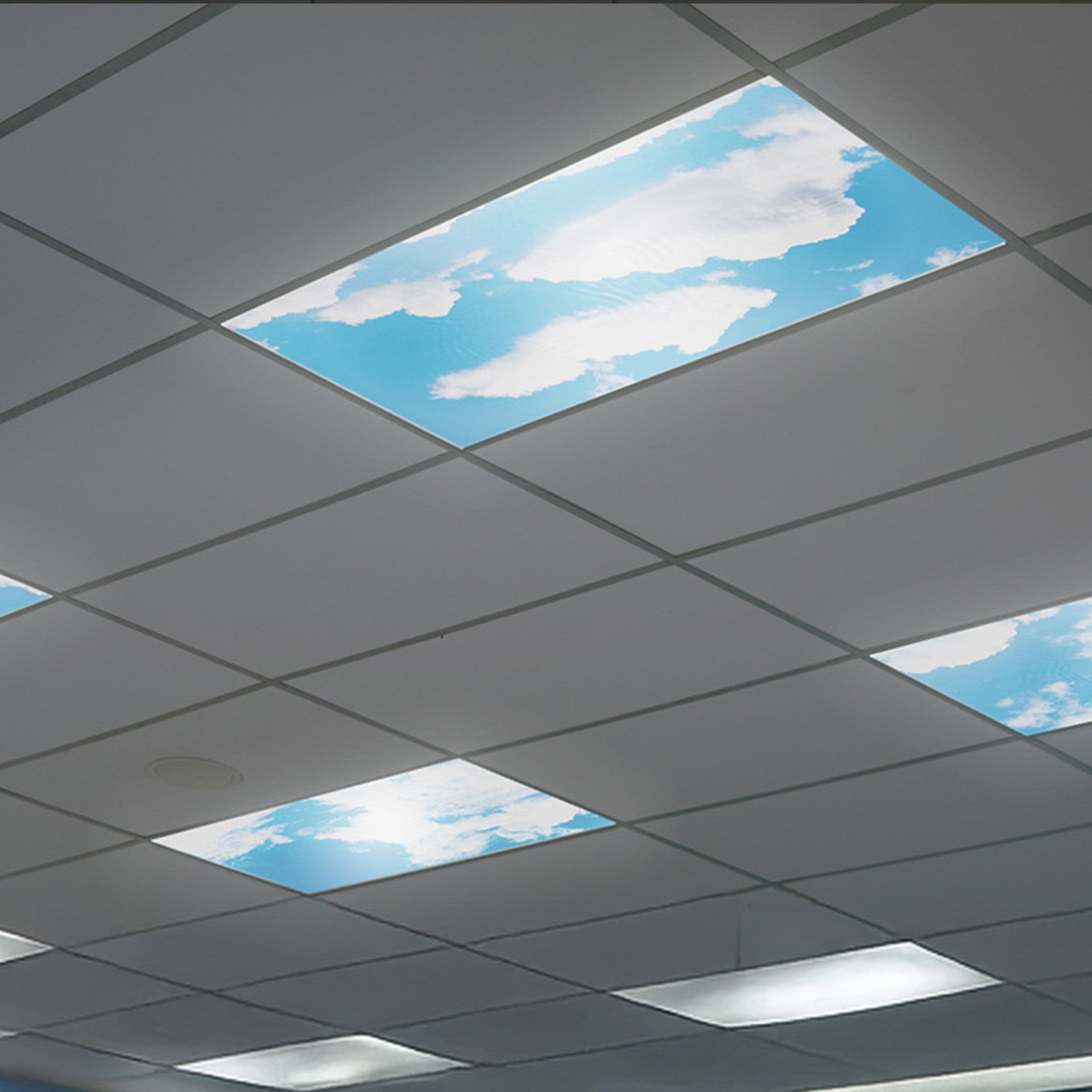
- Decorative ceiling panels: Create the illusion of skylights or natural scenes
- Magnetic light filters: Easy-to-install options for temporary solutions
Long-Term Fluorescent Light Modifications
For permanent relief from migraine-triggering fluorescent lights, consider these complete modifications.
Upgrade to LED Alternatives
Modern LED fixtures offer superior fluorescent light covers migraines solutions by eliminating many problematic characteristics of fluorescent lighting:
Benefits of LED conversion:
- No flickering at frequencies that trigger migraines
- Adjustable color temperature from warm to cool
- Dimming capabilities for personalized comfort
- Longer lifespan and energy efficiency
- Instant-on operation without warm-up time
Install Dimmer Controls
Adding dimmer switches to fluorescent fixtures (where compatible) allows users to:
- Adjust brightness levels throughout the day
- Reduce overall light intensity during migraine-prone periods
- Create more comfortable ambient lighting
- Accommodate individual sensitivity levels
Workplace Solutions for Fluorescent Light Issues
Office environments present unique challenges when implementing fluorescent light covers migraines solutions, but several approaches can help.
Individual Workspace Modifications
- Desk lamps with warm LED bulbs: Supplement overhead lighting with personalized task lighting
- Computer screen filters: Reduce additional blue light exposure from monitors
- Strategic seating: Position workstations to minimize direct fluorescent light exposure
- Personal light therapy devices: Counteract harsh artificial lighting with natural spectrum alternatives
Employer-Sponsored Improvements
Many forward-thinking employers are implementing migraine-friendly lighting policies:
- Installing full-spectrum lighting systems
- Providing flexible work arrangements for light-sensitive employees
- Creating designated low-light work areas
- Offering reimbursement for personal lighting solutions
DIY Fluorescent Light Cover Solutions
Budget-conscious individuals can create effective fluorescent light covers migraines solutions using readily available materials.
Fabric-Based Covers
Create custom light diffusers using:
- Sheer curtain material: Lightweight fabrics that soften harsh light
- Colored tissue paper: Temporary solution for immediate relief
- Frosted contact paper: Semi-permanent option that's easy to remove
Natural Material Options
- Bamboo screens: Eco-friendly diffusers that create interesting light patterns
- Rice paper panels: Traditional Japanese-inspired light filtering
- Mesh materials: Allow airflow while reducing glare
When to Seek Professional Help
While many fluorescent light covers migraines solutions can be implemented independently, certain situations require professional intervention.
Electrical Safety Considerations
Always consult qualified electricians when:
- Modifying existing fixtures significantly
- Installing new dimmer controls
- Converting to LED systems
- Working with commercial-grade lighting installations
Medical Consultation
Consider speaking with healthcare providers if:
- Migraines persist despite lighting modifications
- Symptoms worsen or change in character
- Light sensitivity affects daily activities severely
- Multiple environmental triggers are suspected
Measuring Success: Tracking Your Progress
Implementing fluorescent light covers migraines solutions requires monitoring to ensure effectiveness.
Keep a Migraine Diary
Document the following information:
- Frequency of headaches before and after modifications
- Severity levels on a scale of 1-10
- Duration of migraine episodes
- Other potential triggers present
- Specific lighting conditions when symptoms occur
Gradual Implementation
Introduce changes systematically to identify the most effective solutions:
- Start with one modification at a time
- Allow 2-4 weeks to assess each change
- Combine successful strategies for maximum benefit
- Remove ineffective solutions to avoid unnecessary complexity
Conclusion: Creating Your Migraine-Free Environment
Finding the right fluorescent light covers migraines solutions often requires a combination of approaches tailored to your specific sensitivity patterns and environment. Whether you choose commercial light filters, DIY modifications, or complete fixture replacements, the key is creating consistent, comfortable lighting that supports your daily activities without triggering debilitating headaches.
Remember that what works for one person may not work for another, so be patient as you experiment with different solutions. With persistence and the right approach, you can transform harsh fluorescent environments into comfortable spaces that support your health and productivity.
Start with simple, reversible modifications like light filters or fabric covers, then progress to more permanent solutions based on your results. Your journey to migraine-free lighting begins with understanding your triggers and taking proactive steps to address them systematically.
Shop Fluorescent Light Covers at KASTLITE
KASTLITE cuts acrylic and polycarbonate light covers to size in-house in Clearwater, Florida, so harsh overhead glare gets a softer, even finish. The Amazon store holds a 4.6 out of 5 rating across more than 2,200 reviews.
- Browse all light covers and diffuser panels.
- Round Diffusers soften bright bulbs without tools.