
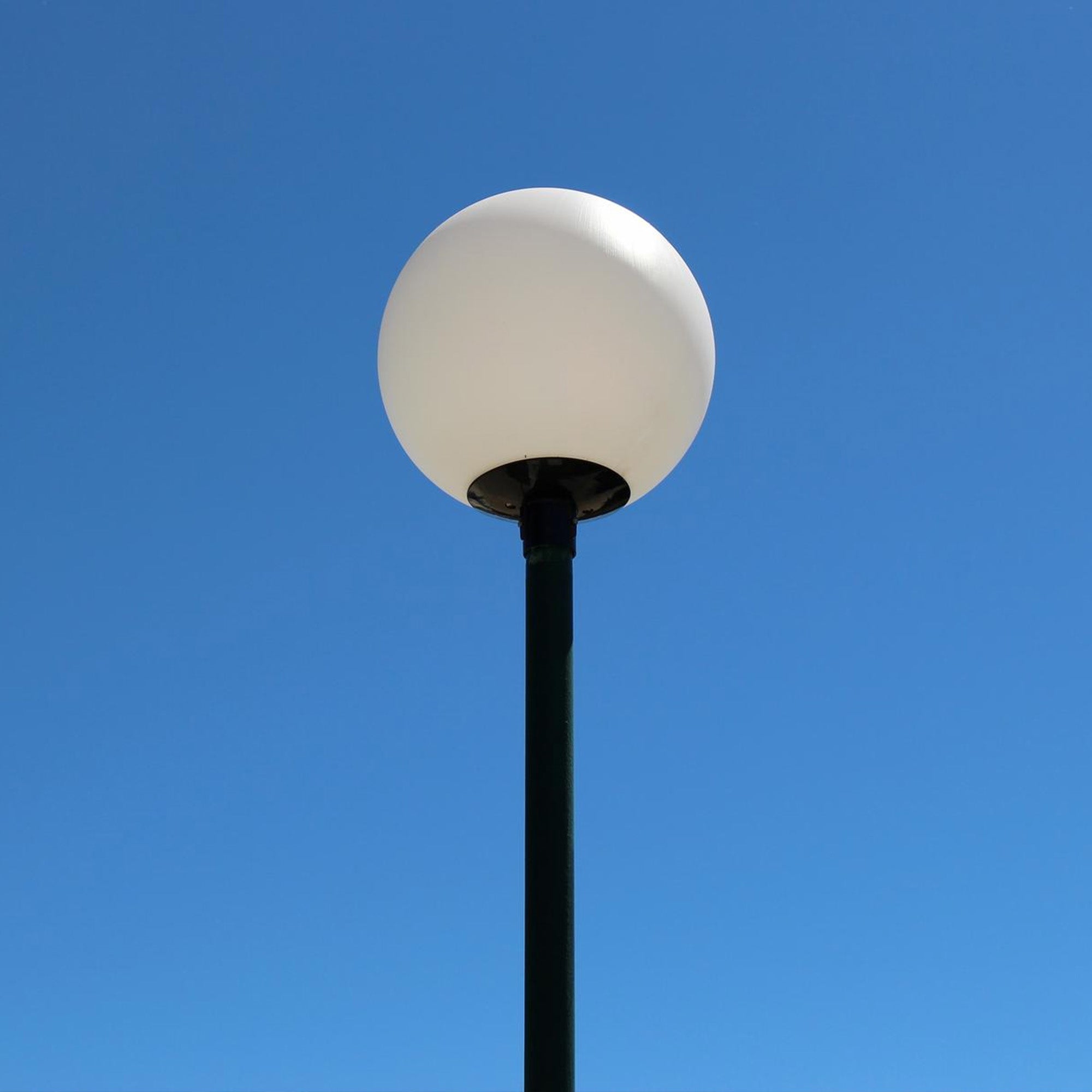
How to Choose the Right Lamp Post Globe for Outdoor Lighting
Selecting the perfect lamp post globe for your outdoor lighting can transform your landscape from ordinary to extraordinary. Whether you're illuminating a garden pathway, highlighting architectural features, or creating ambient lighting for evening gatherings, the right globe makes all the difference in both functionality and aesthetics. acorn style.
Lamp post globes have a long heritage in municipal infrastructure. You can read more about the history of street lighting on Wikipedia.
Understanding how to choose outdoor lamp post globes involves considering multiple factors including size, material, weather resistance, and light output. This complete guide will walk you through each crucial element to help you make an informed decision that enhances your outdoor space while providing reliable illumination for years to come. See our light covers and diffusers

Understanding Lamp Post Globe Basics
Before diving into the selection process, it's essential to understand what makes a quality outdoor lamp post globe. These protective covers serve multiple purposes: they shield bulbs from weather elements, diffuse light for optimal illumination, and contribute significantly to your outdoor décor's overall aesthetic appeal.
The primary function of any lamp post globe is protection. Outdoor environments present unique challenges including rain, snow, wind, UV exposure, and temperature fluctuations. A well-chosen globe acts as a barrier against these elements while allowing light to pass through effectively.
Also, globes help control light distribution. Different globe designs and materials create varying lighting effects, from focused directional lighting to soft, ambient illumination that spreads evenly across an area.
Measuring Lamp Post Globe Size: Getting the Perfect Fit
Measuring lamp post globe size correctly is crucial for both functionality and safety. An improperly sized globe can lead to poor light distribution, increased maintenance issues, or even safety hazards.
Essential Measurements to Take
Start by measuring the fitter size, which is the opening where the globe attaches to the lamp post fixture. Common fitter sizes include 3.25 inches, 4 inches, 6 inches, and 8 inches in diameter. Use a ruler or measuring tape to determine the exact diameter of your fixture's opening.
Next, consider the globe's overall dimensions. Measure the maximum width and height that your lamp post can accommodate without the globe appearing disproportionate or interfering with nearby structures, plants, or walkways.
Height and Clearance Considerations
Ensure adequate clearance between the globe's bottom and the ground or any landscaping features. Typically, maintain at least 7-8 feet of clearance for pedestrian areas and consider higher placement in areas with vehicle traffic.
The globe's height should also complement your lamp post's proportions. A general rule is that the globe should be approximately one-third to one-half the height of the visible lamp post portion.
Lamp Post Globe Materials Comparison
Understanding different materials is essential for making an informed choice. Each material offers distinct advantages and considerations for outdoor use.
Glass Options
Clear Glass: Provides maximum light transmission and creates crisp, bright illumination. Ideal for security lighting and areas requiring high visibility. However, it offers minimal glare reduction and may create harsh shadows.
Frosted Glass: Diffuses light evenly, reducing glare while maintaining good light output. Perfect for ambient lighting and areas where soft illumination is preferred. The frosted surface helps hide dust and water spots between cleanings.
Textured Glass: Offers unique aesthetic appeal with patterns that create interesting light effects. Various textures provide different levels of light diffusion while adding visual interest to your outdoor space.
Acrylic and Polycarbonate
Acrylic globes offer excellent light transmission while being significantly lighter and more impact-resistant than glass. They're less likely to shatter if struck and are easier to handle during installation and maintenance.
Polycarbonate provides superior impact resistance and UV stability compared to acrylic. This material maintains clarity longer and resists yellowing from prolonged sun exposure, making it ideal for harsh outdoor environments.
Many modern globes use polycarbonate, a durable thermoplastic that resists impact better than glass.
Metal Options
Perforated metal globes create dramatic lighting effects with patterns of light and shadow. They're extremely durable and weather-resistant but provide less overall illumination than transparent materials.
Solid metal with cutouts or decorative openings offers excellent durability while creating focused lighting patterns. These work well for accent lighting and architectural highlighting.
Weather-Resistant Outdoor Lamp Globes: Durability Matters
Selecting weather-resistant outdoor lamp globes ensures your investment provides long-lasting performance despite challenging environmental conditions.
UV Resistance
Prolonged sun exposure can cause certain materials to yellow, crack, or become brittle. Look for globes specifically rated for UV resistance, particularly if your lamp posts receive direct sunlight for extended periods.
Quality acrylic and polycarbonate globes often include UV stabilizers that prevent degradation. Glass naturally resists UV damage but may require different considerations for thermal expansion and contraction.
Temperature Tolerance
Outdoor globes must withstand significant temperature variations. Consider your local climate's temperature extremes and choose materials rated for those conditions.
Glass globes should be tempered or made from borosilicate glass to handle thermal stress. Plastic materials should be rated for your area's temperature range to prevent cracking or warping.
Moisture and Corrosion Protection
Ensure proper sealing where the globe meets the fixture to prevent water infiltration. Look for globes with gaskets or sealing systems designed for outdoor use.
Consider how moisture might affect your chosen material over time. Some materials may develop water spots or mineral deposits that affect light transmission and appearance.
Outdoor Lighting Bulb Color Temperature Guide
The outdoor lighting bulb color temperature guide helps you select the right light color for your specific needs and preferences.
Understanding Color Temperature
Color temperature is measured in Kelvin (K) and describes the color appearance of light. Lower numbers indicate warmer, more yellow light, while higher numbers represent cooler, bluer light.
Warm Light (2700K-3000K)
Warm light creates a cozy, inviting atmosphere perfect for residential outdoor spaces. This temperature range works well for entertaining areas, pathways, and general landscape lighting where ambiance is prioritized.
The yellow-orange tones of warm light are less attractive to insects, making it ideal for dining areas and gathering spaces.
Neutral White (3500K-4100K)
Neutral white provides a balance between warmth and clarity. It offers good color rendering while maintaining a comfortable feel for outdoor activities.
This temperature range works well for mixed-use areas where both ambiance and functionality are important.
Cool White (5000K-6500K)
Cool white light provides excellent visibility and security lighting. The crisp, bright illumination is ideal for driveways, walkways, and areas where safety and security are primary concerns.
However, cool light can appear harsh in residential settings and may be more attractive to insects.
Style and Design Considerations
Your lamp post globe choice significantly impacts your outdoor space's overall aesthetic. Consider your home's architectural style, existing landscape design, and personal preferences when making your selection.
Traditional Styles
Classic globe shapes like spheres, lanterns, and coach-style designs complement traditional and colonial architecture. These timeless designs often feature clear or lightly textured glass with metal accents.
Contemporary Options
Modern lamp post globes feature clean lines, geometric shapes, and innovative materials. Cylindrical, square, or uniquely shaped globes work well with contemporary and minimalist design schemes.
Transitional Designs
Transitional globes blend traditional and modern elements, making them versatile choices for various architectural styles. These designs often incorporate both classic proportions and contemporary materials or finishes.
Installation and Maintenance Tips
Proper installation and regular maintenance ensure your lamp post globes perform optimally and last for years.
Installation Best Practices
Always turn off power at the circuit breaker before beginning any electrical work. Ensure the globe is properly seated and secured according to manufacturer instructions.
Check that gaskets and sealing components are properly positioned to prevent water infiltration. Verify that the globe doesn't interfere with bulb replacement or fixture maintenance.
Ongoing Maintenance
Regular cleaning maintains optimal light output and appearance. Use appropriate cleaning solutions for your globe material, mild soap and water for most materials, avoiding abrasive cleaners that could scratch surfaces.
Inspect seals and gaskets periodically, replacing them as needed to maintain weather resistance. Check for cracks, chips, or other damage that could compromise performance or safety.
Making Your Final Decision
Choosing the right lamp post globe involves balancing multiple factors including functionality, aesthetics, durability, and budget. Consider your primary lighting goals, local climate conditions, and maintenance preferences when making your selection.
Start by determining your exact size requirements and preferred material based on your specific environmental conditions. Then consider style preferences and how the globe will complement your existing outdoor design elements.
Remember that quality globes represent a long-term investment in your outdoor lighting system. While initial cost is important, consider the total cost of ownership including replacement frequency and maintenance requirements.
Conclusion
Selecting the perfect lamp post globe for your outdoor lighting doesn't have to be overwhelming. By understanding the key factors, proper sizing, material characteristics, weather resistance, and light color temperature, you can make an informed decision that enhances both the functionality and beauty of your outdoor space.
Take time to measure accurately, consider your local climate conditions, and think about how the globe will complement your overall landscape design. With the right choice, your outdoor lamp post globes will provide years of reliable, attractive illumination while enhancing your property's curb appeal and safety.
Whether you prioritize durability, aesthetics, or specific lighting effects, there's a perfect lamp post globe solution for your needs. Use this guide as your roadmap to making a choice you'll be satisfied with for years to come.
Related: Installing near the coast? Browse turtle-safe amber LED lighting built for sea turtle nesting zones.